By Seniloba Taiwo and Ifeoluwa Olukayode
Communications Assistants, Peace Education and Practice Network (PEPNET)
There is a phrase young people have heard for generations:
“You are the leaders of tomorrow.”
It sounds encouraging.
But perhaps it is time to ask a different question:
What if young people are not tomorrow’s leaders? What if they are already leading today?
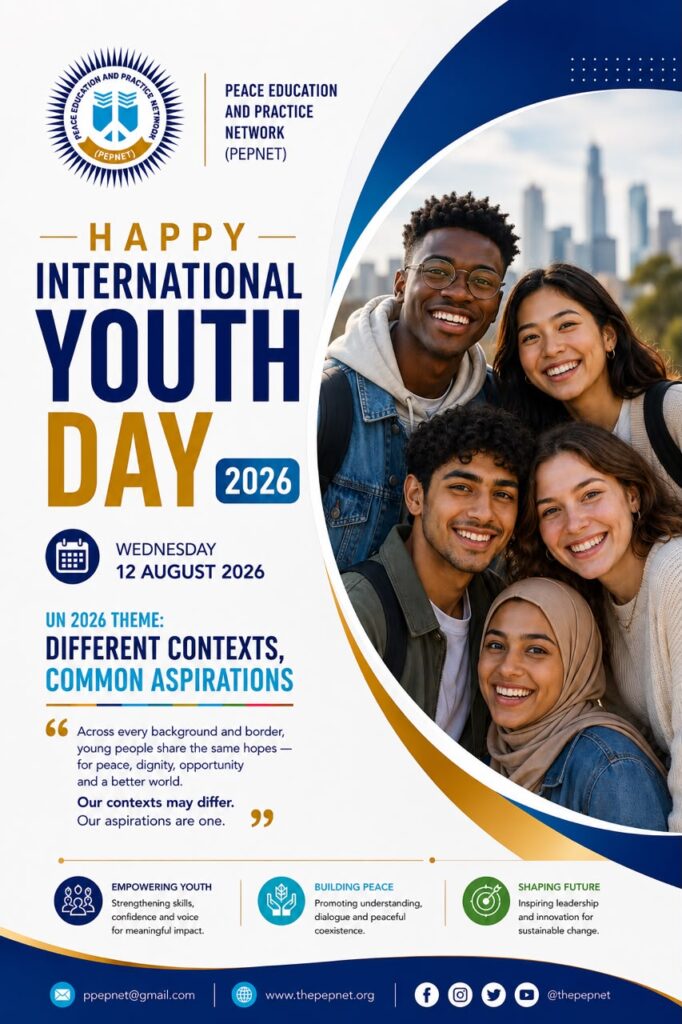
Today, 12 August 2026, the world marks International Youth Day under the theme “Different Contexts, Common Aspirations.” The theme recognises something that becomes clearer the more we listen to young people across communities and countries: their circumstances may be different, but many of their hopes are remarkably similar. Young people want opportunity, dignity, meaningful participation, safety, quality education, decent work and the chance to contribute to a better future.
But beyond what young people hope for, there is something else worth recognising:
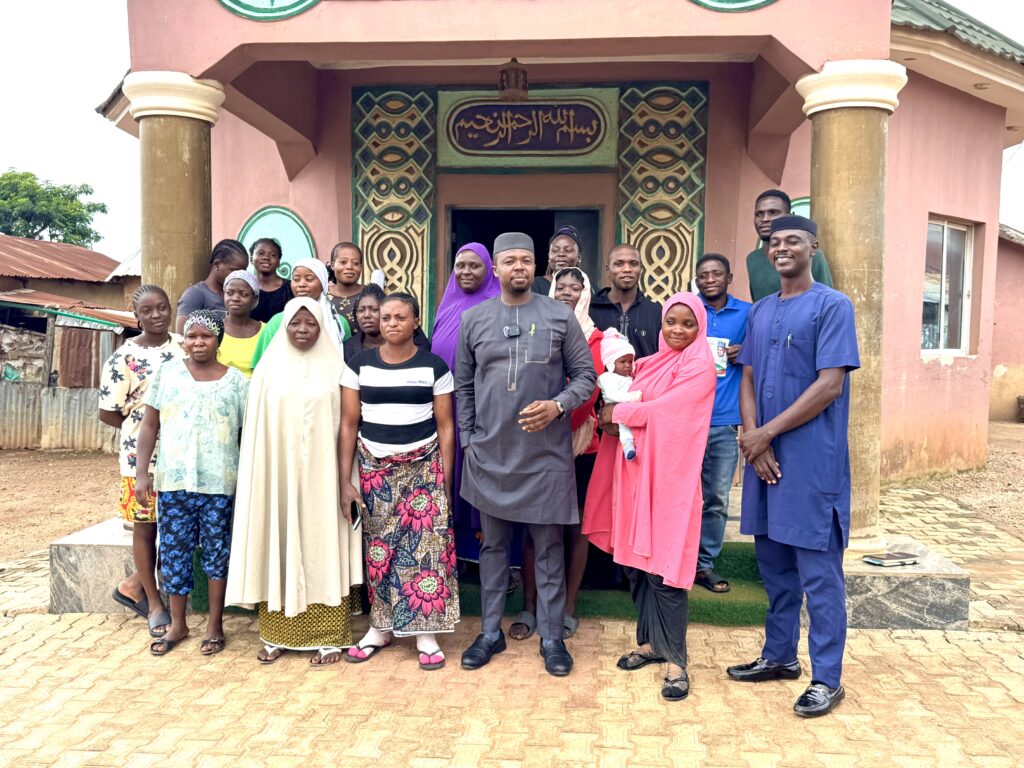
Young people are already doing the work.
Young people are often described through statistics.
Youth unemployment.
Youth population.
Youth vulnerability.
Youth unemployment again.
But behind every statistic is a person with ideas, relationships, skills, frustrations, dreams and the capacity to contribute.
There is the young person organising other young people in a community.
The volunteer supporting a peace initiative.
The student creating solutions with limited resources.
The young woman advocating for her community.
The young man using digital platforms to educate others.
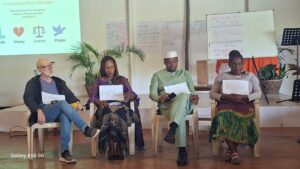
The young people sitting together to ask how their community can become safer, more peaceful and more resilient.
These stories may not always make the headlines.
But they matter.
The United Nations itself recognises that young people are already leading climate action, building social enterprises, creating digital solutions and strengthening their communities.
So perhaps the conversation should move beyond “How do we empower young people?”
We should also be asking:
How do we create the conditions for young people to lead, participate and influence?
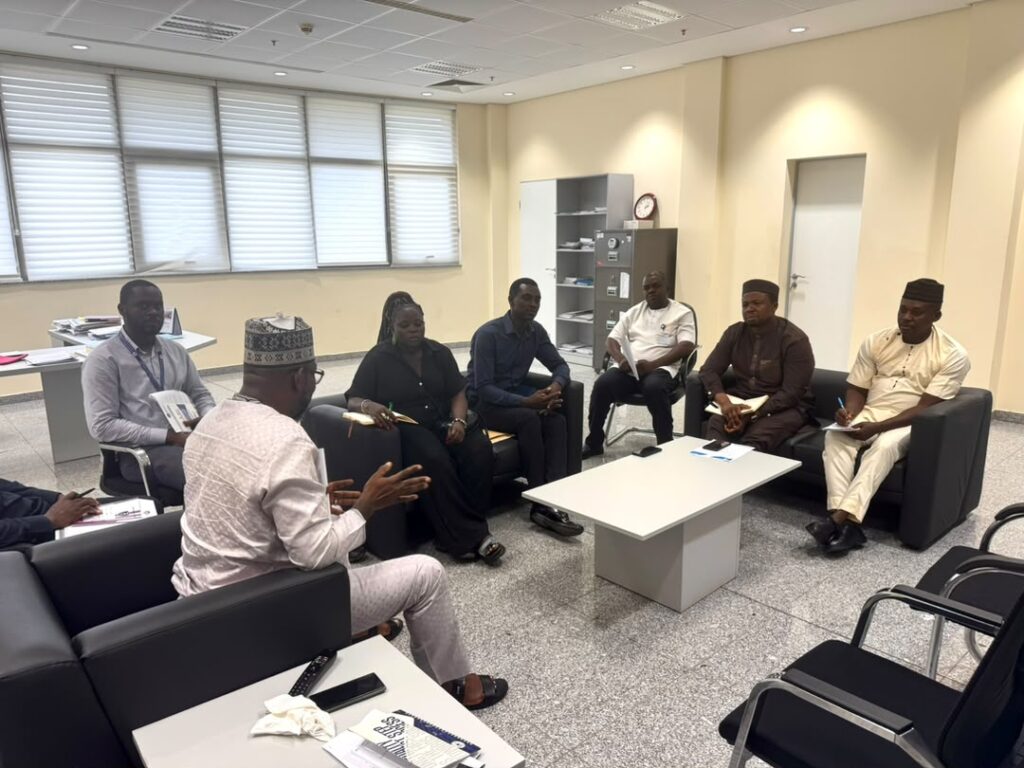
A young person growing up in Mpape, Abuja may have a very different experience from a young person living in a rural community, a coastal settlement, a conflict-affected area or another part of the world.
The challenges may look different.
The language may be different.
The culture may be different.
The opportunities may be different.
Yet the aspiration can be the same:
“I want my community to be better.”
That common aspiration is powerful.
It reminds us that youth development is not simply about preparing individuals to succeed. It is also about creating communities where young people can contribute to solving the problems around them.
And this is where peacebuilding becomes important.
Young people are often discussed as people who need to be protected from conflict.
That is true.
But it is incomplete.
Young people are also peacebuilders, community actors, innovators, mediators, volunteers, educators and problem-solvers.
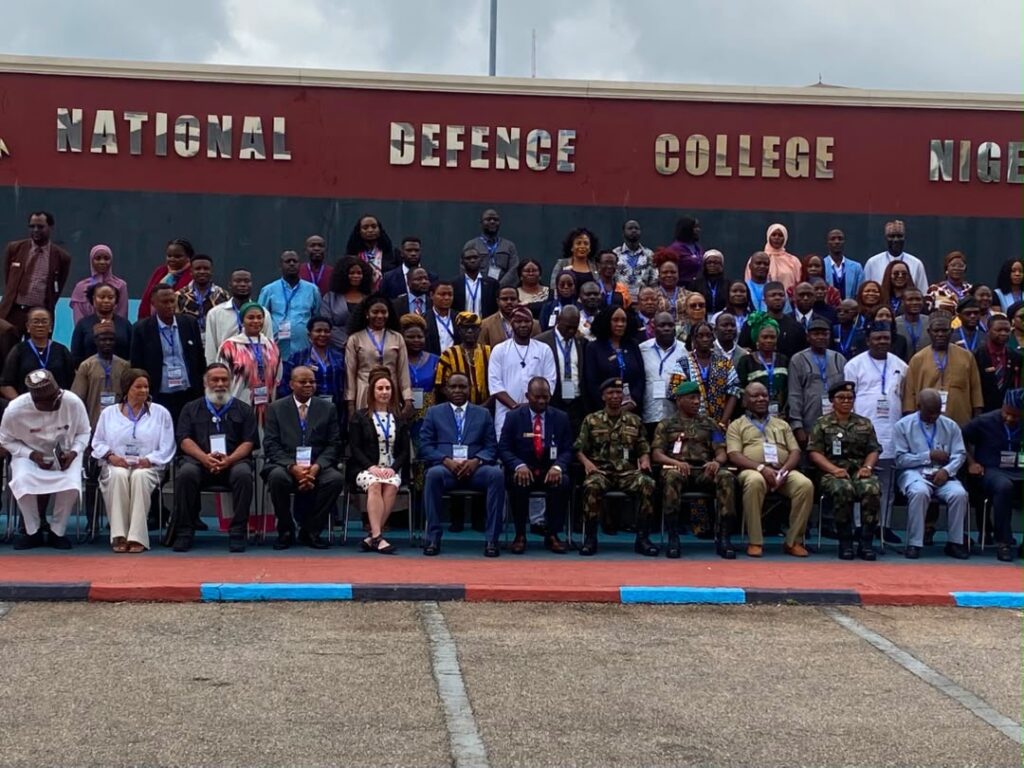
They can help build trust where relationships are strained.
They can create spaces for dialogue.
They can challenge harmful narratives.
They can connect communities.
They can identify emerging concerns.
They can bring new ideas into old problems.
And they can help turn community concerns into collective action.
The international Youth, Peace and Security agenda recognises young people as important partners in building peace, not merely as recipients of peacebuilding interventions. The UN’s own background on International Youth Day points to Security Council Resolution 2250 as an important recognition of the role of young peacebuilders.
That distinction matters.
Young people should not only be invited to attend peacebuilding programmes. They should have space to shape them.
This is one reason International Youth Day should be more than a celebration.
A social media post saying “Happy International Youth Day” is good.
A beautiful flyer is good.
But the real question is what happens after the celebration.
Do young people have a seat at the table?
Are their ideas taken seriously?
Are they trusted with responsibility?
Are they given opportunities to experiment, learn and lead?
Are institutions prepared to share power and listen?
Are young people being supported to turn their knowledge into action?
Because participation is not simply being present.
Participation means having a voice, being heard and having some influence over what happens next.
The UN has similarly stressed that youth engagement needs to be systematic, sustained and connected to real policy outcomes.
At the Peace Education and Practice Network (PEPNET), we believe that meaningful change often begins with people and communities.
This belief is reflected in the work PEPNET continues to pursue across peace education, youth development, leadership, community engagement, peacebuilding and emerging areas linking climate, peace and security.
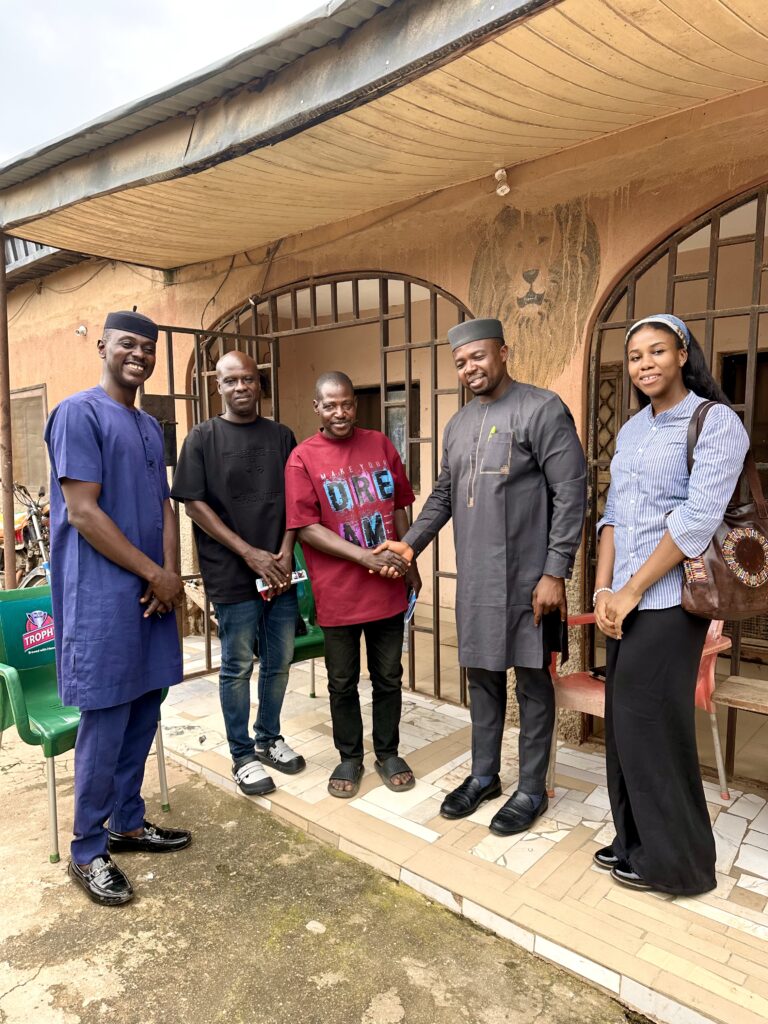
One example is the ongoing Climate Peace Circle under the CPC CLIMPSE Project in Mpape, Abuja.
The work begins with listening.
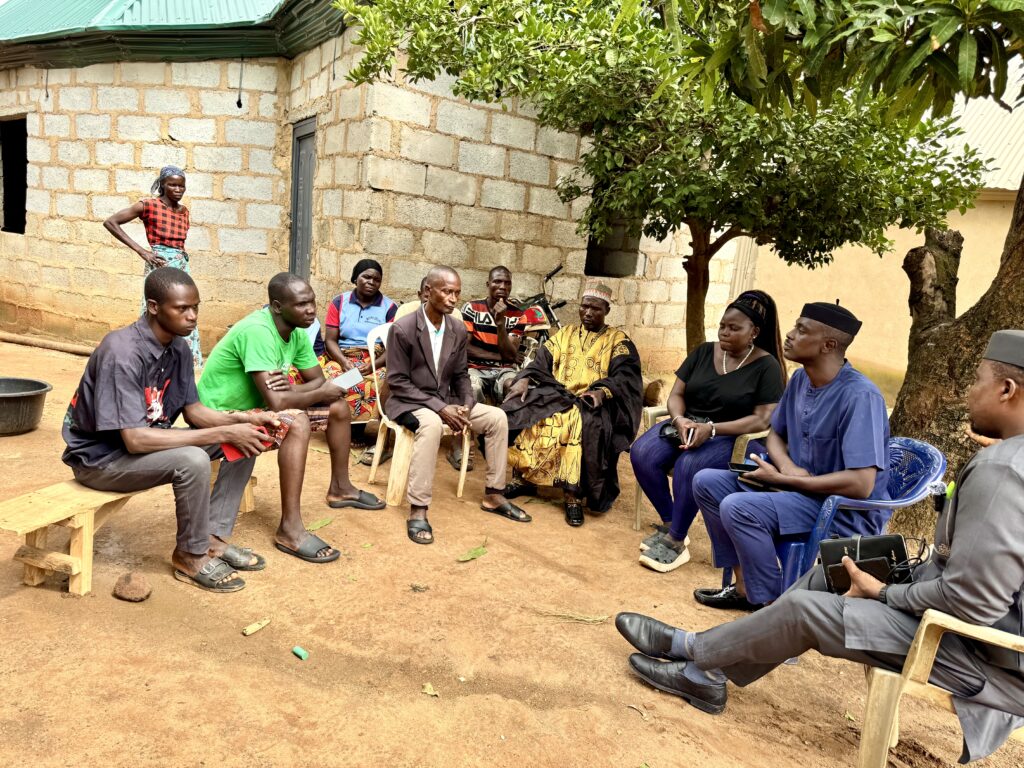
PEPNET has engaged community stakeholders across Katampe 1, Katampe 2, Berger Quarry and Mapa-Mashafa, creating space for community members to share their experiences and perspectives on climate, environmental and security challenges.
The next step is to bring young people, women and community leaders together not simply to receive information, but to learn, discuss, map problems, share local knowledge and explore practical responses.
That is a different understanding of youth participation.
The community is not simply being told what the problem is.
The community is helping to define the problem.
Young people are not simply being told what climate security means.
They are being invited to connect the idea to what they see and experience around them.
And solutions are not simply being brought from outside.
The community is part of shaping them.
This is the kind of participation that can make development more meaningful.
Sometimes, we design programmes around young people without designing them with young people.
We decide what they need.
We determine what they should learn.
We create activities for them.
Then we ask them to participate.
But young people also carry knowledge.
They understand their communities in ways that outsiders may not.
They know what conversations are happening among their peers.
They know which issues are generating frustration.
They know which messages are reaching their generation.
They know what is working and what is not.
Their knowledge may not always look like formal expertise.
But it is knowledge.
And good peacebuilding, development and community action should make room for it.
Youth empowerment is important.
But youth partnership is even more powerful.
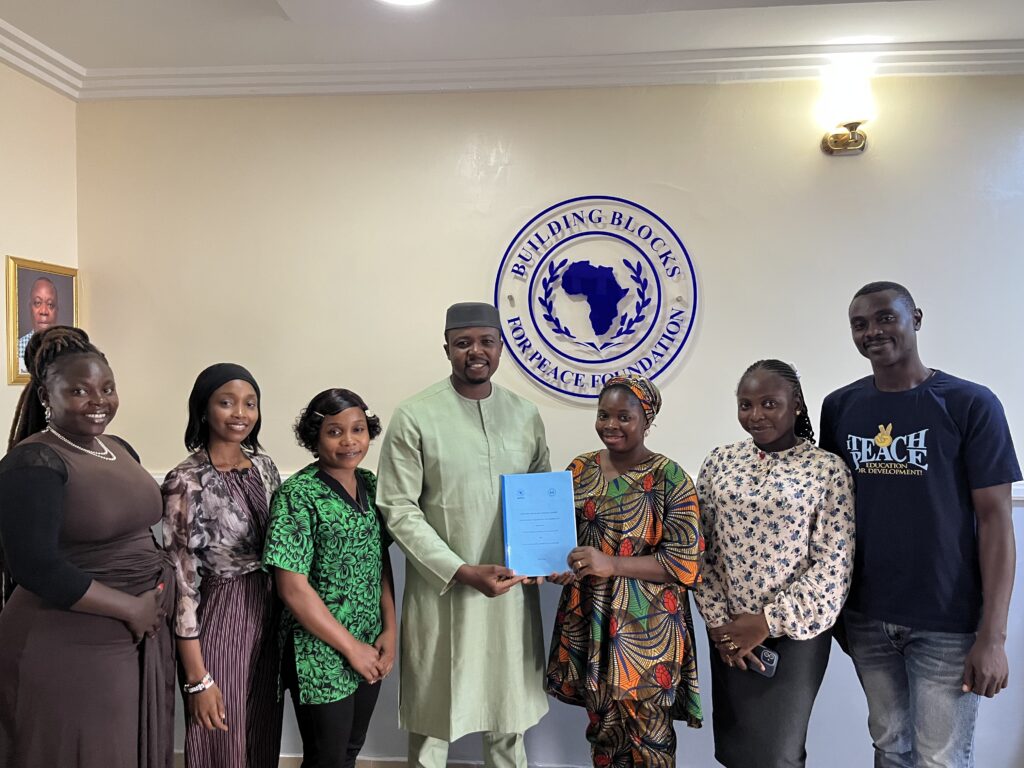
Partnership means moving from:
“What can we do for young people?”
to:
“What can we build with young people?”
It means moving from:
“Let us give young people a voice.”
to:
“Let us listen to the voices they already have.”
It means moving from:
“Young people are leaders of tomorrow.”
to:
“Young people are partners today.”
This does not mean romanticising youth leadership. Young people need mentorship, resources, skills, protection, opportunities and supportive institutions.
But support should not become control.
Mentorship should not become substitution.
And empowerment should not become tokenism.
Young people need room to try, fail, learn, lead and grow.
To every young person reading this:
Do not wait for someone to tell you that you are ready.
Start where you are.
Your community needs your ideas.
Your school needs your voice.
Your organisation needs your creativity.
Your country needs your courage.
The peacebuilding space needs your perspective.
The climate conversation needs your experience.
The future needs your participation.
You may not have all the resources.
You may not have the biggest platform.
You may not have the perfect plan.
Start anyway.
Find people who care.
Learn together.
Listen to your community.
Ask better questions.
Build small.
Keep learning.
And turn your concern into action.
International Youth Day is also a message to institutions, organisations, communities, governments, educators and development practitioners.
Let us not only celebrate young people when they win awards, organise successful campaigns or produce impressive results.
Let us support them before the results are visible.
Let us create spaces where they can experiment.
Let us listen before prescribing.
Let us invest in their ideas.
Let us open doors.
Let us share knowledge and opportunities.
Let us create meaningful pathways into decision-making.
And when young people are already leading, let us recognise, support and learn from them.
Because the future is not something that simply arrives.
It is something people build.
And young people are already building it.
The young person in Mpape.
The young peacebuilder in another Nigerian community.
The climate activist in a small island state.
The student in a landlocked country.
The young entrepreneur building something with limited resources.
Different stories.
Different challenges.
Different contexts.
But many of the same aspirations.
Dignity. Opportunity. Peace. Inclusion. Security. Belonging. A chance to matter.
That is why this year’s theme is more than a slogan.
Different contexts should not prevent us from recognising our common aspirations.
And those common aspirations can become the foundation for stronger communities, stronger partnerships and a more peaceful and sustainable world.
This International Youth Day, let us celebrate young people.
But more importantly, let us trust them enough to build with them.
Because they are not waiting for tomorrow.
They are already building today.
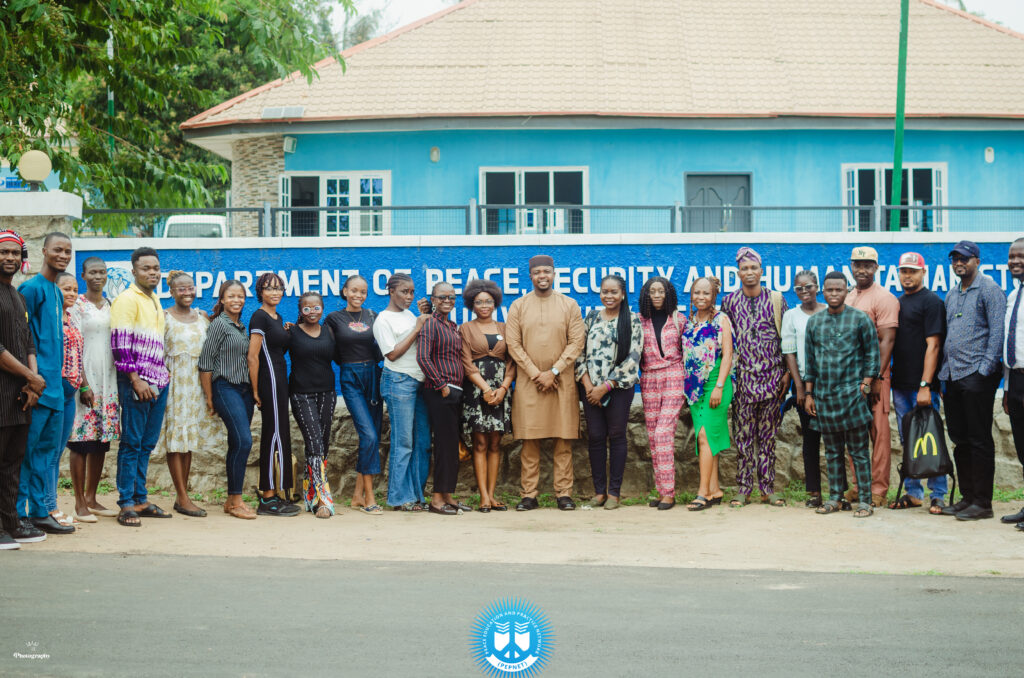
Happy International Youth Day 2026!
Different Contexts. Common Aspirations. Shared Responsibility.
Peace Education and Practice Network (PEPNET)
Article by:
Seniloba Taiwo and Ifeoluwa Olukayode
Communications Assistants, PEPNET

One Response
This article resonates deeply with the conversation I reflected on in my EvalforEarth piece, Beyond Degrees: Why Evaluation Systems Are Failing Young Evaluators. Across peacebuilding, development and evaluation, the issue is not that young people lack capacity. Many are already contributing, organising, researching, evaluating and building solutions in their communities. The real challenge is whether institutions are prepared to move beyond symbolic participation and create genuine pathways for young people to influence decisions, shape agendas and lead. Young people are not simply future leaders or beneficiaries of programmes. They are present-day partners whose knowledge, lived experience and creativity should be recognised, trusted and resourced.