The Peace Education and Practice Network (PEPNET) is proud to announce that its Executive Director, Amb. Moses ABOLADE, has been selected as an Africa Peace Fellow under the prestigious Africa Peace Fellows Programme of the Centre for African Peace and Conflict Resolution (CAPCR), California State University, Sacramento, USA, implemented in collaboration with distinguished academic, government, and peacebuilding partners across Africa.
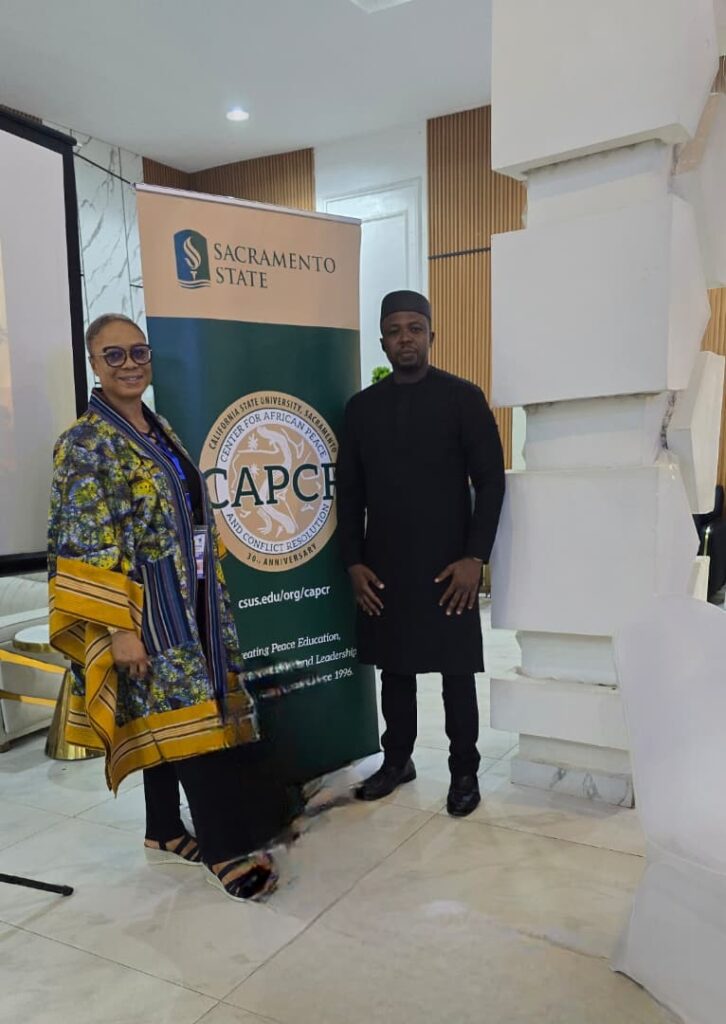
The Africa Peace Fellows Programme is a highly competitive leadership and professional development initiative designed to strengthen the capacity of Africa’s emerging and established peace leaders. Through a fifteen-month fellowship that combines intensive virtual learning, policy dialogue, collaborative research, mentorship, and high-level residential engagements, the programme equips fellows with practical knowledge and strategic networks to address some of the continent’s most pressing peace and security challenges.
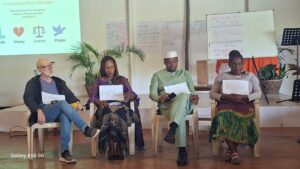
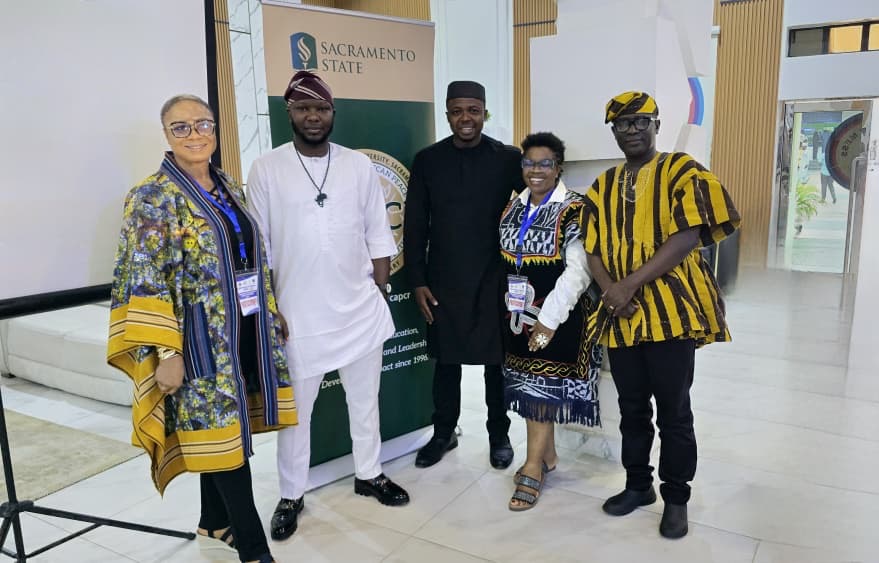
As part of the fellowship, Amb. Moses ABOLADE is participating in the ongoing Africa Peace Fellows Conference hosted at the National Defence College, Abuja, Nigeria, where scholars, military leaders, policymakers, justice professionals, mediators, and peacebuilding practitioners are engaging in critical discussions on peacebuilding, conflict transformation, restorative justice, security governance, transitional justice, reconciliation, and sustainable peace.
For PEPNET, this fellowship is far more than an individual recognition. It represents another significant step in strengthening the organisation’s institutional capacity, expanding its global partnerships, and deepening its contribution to evidence-based peacebuilding in Nigeria, across Africa, and beyond.
Since its establishment, PEPNET has remained committed to promoting peace education, conflict prevention, dialogue, youth leadership, institutional strengthening, media for peace, and community-based peacebuilding initiatives. As conflict dynamics continue to evolve across Africa, the organisation recognises the need to continuously strengthen its approaches through research, innovation, and international collaboration.
Participation in the Africa Peace Fellows Programme directly aligns with PEPNET’s strategic vision of becoming one of Africa’s leading institutions advancing peace education, restorative justice, mediation, conflict transformation, and leadership development.
One of the central themes receiving significant attention throughout the fellowship is restorative justice.
Across many societies, justice has traditionally been understood primarily through punishment and retribution. Restorative justice presents an important complementary approach by focusing on accountability, healing, repairing harm, rebuilding relationships where appropriate, restoring community trust, and preventing future violence.
For peacebuilders, restorative justice provides practical tools for addressing conflicts in ways that strengthen communities rather than deepen divisions. It recognises that sustainable peace requires more than legal processes. It demands dialogue, empathy, accountability, community ownership, and systems capable of rebuilding fractured relationships.
These principles resonate strongly with PEPNET’s philosophy that peacebuilding should not only respond to conflict but also transform the conditions that allow conflict to persist.
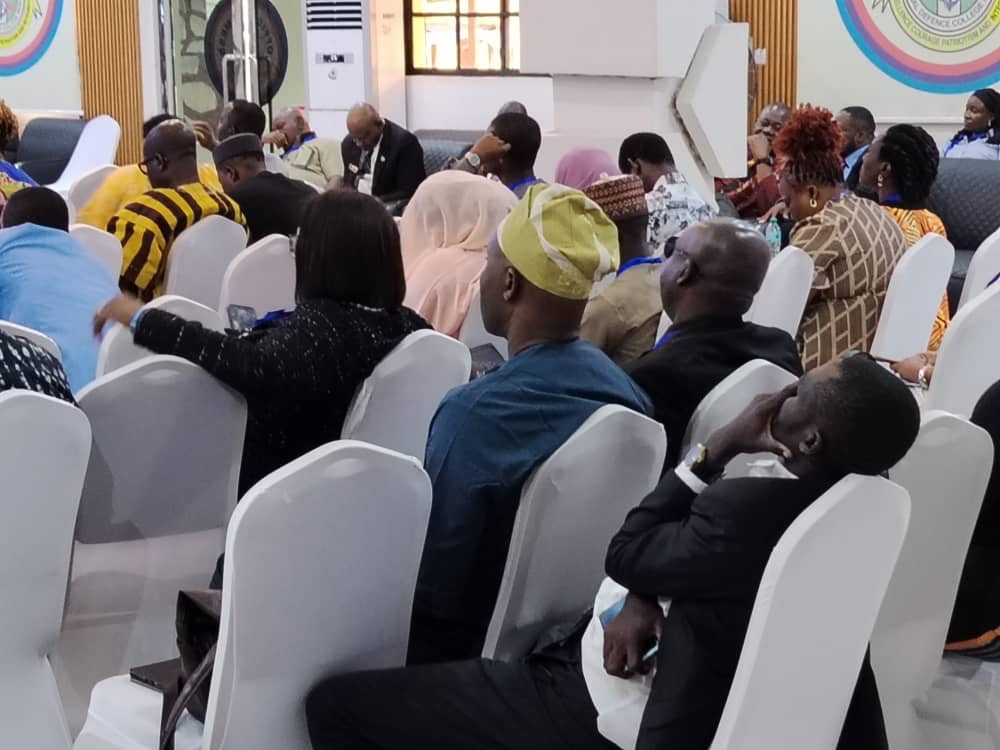
A particularly thought-provoking aspect of the fellowship has been the robust discussions surrounding Operation Safe Corridor, Nigeria’s Disarmament, Deradicalisation and Reintegration programme for former associates of violent extremist groups.
The discussions have been enriched by firsthand perspectives from military officers who have served on the frontlines, academics conducting research in this area, policymakers, restorative justice experts, and peacebuilding practitioners. Bringing together these diverse perspectives has demonstrated the importance of examining complex peace and security issues from multiple viewpoints rather than relying on simplified narratives.
The fellowship encourages critical reflection on difficult questions, including:
These questions are highly relevant to Nigeria’s evolving peacebuilding landscape.
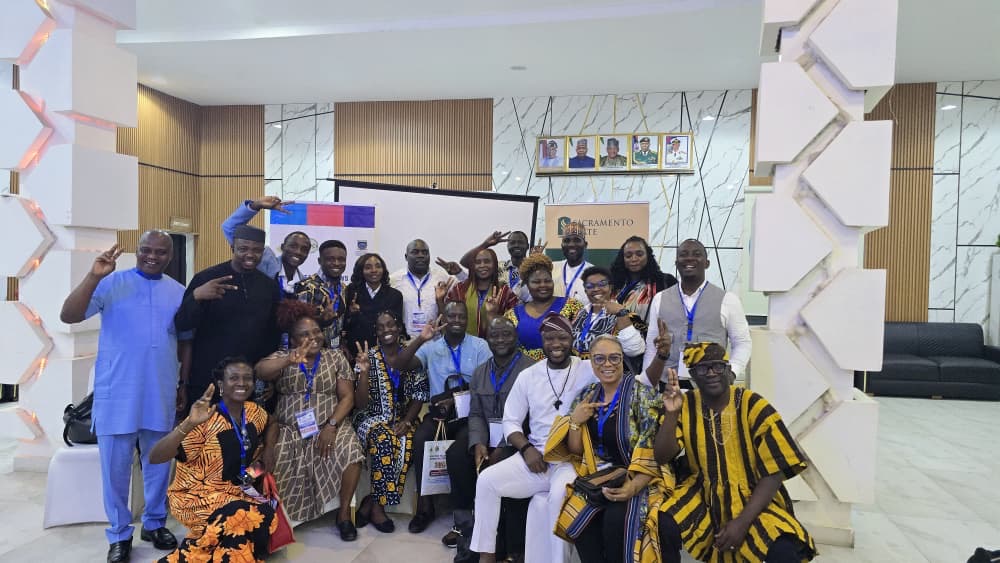
For PEPNET, understanding community trust and public perception is essential. Reintegration efforts cannot achieve lasting success without community confidence, inclusive dialogue, local ownership, and continuous peace education. Communities must understand the purpose of such programmes, participate meaningfully in reconciliation processes, and feel that justice, security, and healing are being pursued together.
Rather than approaching these issues from ideological positions, PEPNET believes they require careful research, evidence-informed dialogue, and collaborative engagement involving government institutions, affected communities, victims, traditional leaders, civil society organisations, researchers, and security actors.
The fellowship further reinforces PEPNET’s belief that peace education extends beyond classrooms.
Peace education must also create opportunities for citizens to engage constructively with difficult national conversations, understand competing perspectives, analyse evidence critically, and develop the skills necessary to transform conflict peacefully.
This philosophy has guided PEPNET’s programmes over the years and will continue to shape future interventions across communities, educational institutions, media platforms, government engagement, and professional development initiatives.
The knowledge and experience gained through the fellowship will significantly strengthen PEPNET’s work in conflict sensitivity, restorative justice education, dialogue facilitation, youth peace leadership, institutional peacebuilding, and community resilience.
Inspired by the rich learning that has emerged from the fellowship, PEPNET is further refining its long-term vision to establish a PEPNET Mediation and Restorative Justice Hub.
The proposed Hub will serve as a centre of excellence dedicated to mediation practice, restorative justice education, professional certification, applied research, policy dialogue, documentation, and community engagement. It will bring together practitioners, academics, judicial officers, traditional leaders, security institutions, civil society organisations, development partners, students, and community actors to strengthen restorative approaches to conflict prevention and resolution.
Beyond providing services, the Hub will become a platform for innovation, helping generate African solutions to African peacebuilding challenges while contributing to global knowledge on restorative justice and conflict transformation.
PEPNET also intends to invest significantly in developing a new generation of highly skilled professionals working within the fields of mediation, restorative justice, dialogue facilitation, reconciliation, and peacebuilding.
Through specialised training programmes, fellowships, mentorship opportunities, professional exchanges, research collaborations, and practical learning experiences, the organisation aims to strengthen the technical capacity of both emerging and experienced practitioners.
The vision is to cultivate professionals who possess not only theoretical knowledge but also the practical competencies required to facilitate dialogue, rebuild trust, resolve disputes, strengthen community resilience, and support sustainable peace processes across Nigeria and Africa.
By investing in people, institutions, and knowledge, PEPNET believes it can make a meaningful contribution to transforming how conflicts are understood and addressed.
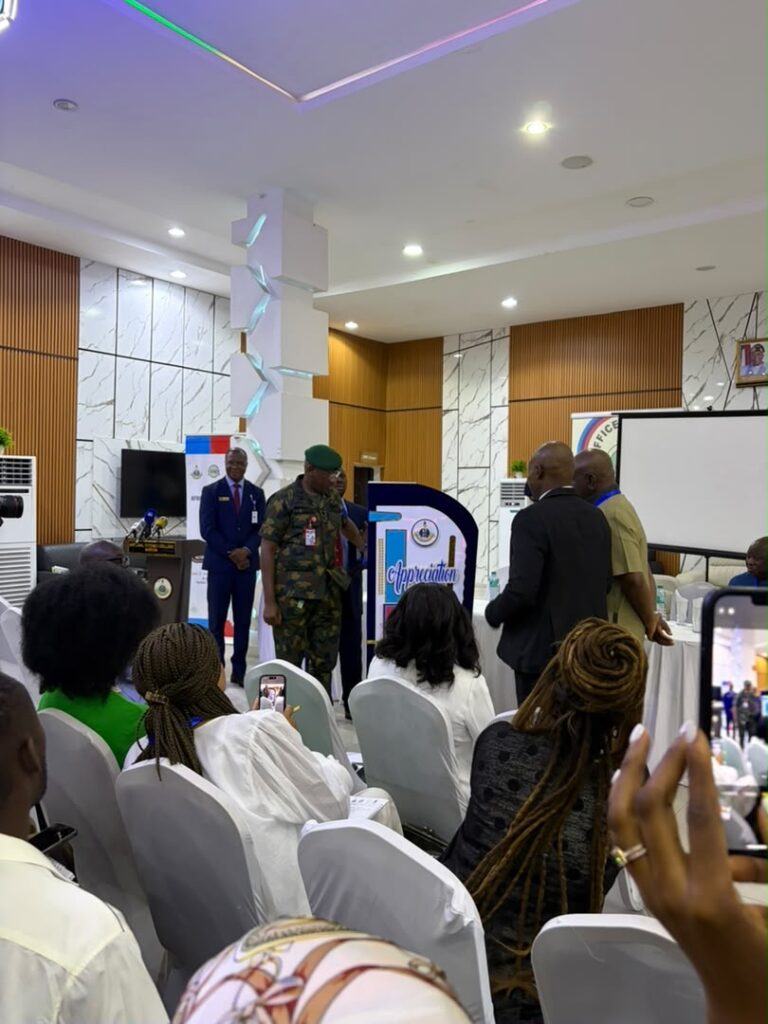
Participation in the Africa Peace Fellows Programme represents another important milestone in PEPNET’s journey towards becoming a globally recognised institution for peace education, restorative justice, conflict transformation, and leadership development.
The fellowship offers more than learning. It provides opportunities to build strategic partnerships, engage with internationally recognised experts, exchange experiences with peacebuilders from across Africa, and translate global knowledge into practical solutions for local realities.
As the fellowship progresses, PEPNET remains committed to applying these insights to strengthen its programmes, influence policy conversations, expand restorative justice initiatives, and promote inclusive approaches that place dignity, dialogue, accountability, and community trust at the centre of sustainable peace.
The organisation expresses its sincere appreciation to the Centre for African Peace and Conflict Resolution (CAPCR), California State University, Sacramento, USA, the National Defence College Nigeria, and all collaborating partners for creating this exceptional platform for African peace leadership.
PEPNET looks forward to translating the knowledge, networks, and experiences gained through the Africa Peace Fellows Programme into lasting impact for Nigeria, Africa, and the global peacebuilding community.
Sustainable peace is built not only through security, but through justice, trust, dialogue, healing, and the collective commitment to transform lives and communities.

2 Responses
Kudos to the ED PEPNET for your selection. As a champion of Peace education your participation in the ongoing Africa Peace Fellows Conference hosted at the National Defence College, Abuja, Nigeria, where scholars, military leaders, policymakers, justice professionals, mediators, and peacebuilding practitioners are engaging in critical discussions on peacebuilding, conflict transformation, restorative justice, security governance, transitional justice, reconciliation is a big win for PEPNET growth.
This would be a life changing experience I am particularly interested and excited about PEPNET Mediation and Restorative Justice Hub. I would really want to be a part of this noble development as a chatted mediator. PEPNET is indeed an organisation to be, passionate about Global peace. Long live PEPNET.