By Moses ABOLADE and Jonathan Aliyu SABA
Climate change is no longer just an environmental issue. It is increasingly shaping human security, livelihoods and social cohesion. As communities across Nigeria grapple with the growing impacts of environmental degradation, understanding the relationship between climate and peace has never been more important.
Published on 21 July 2026
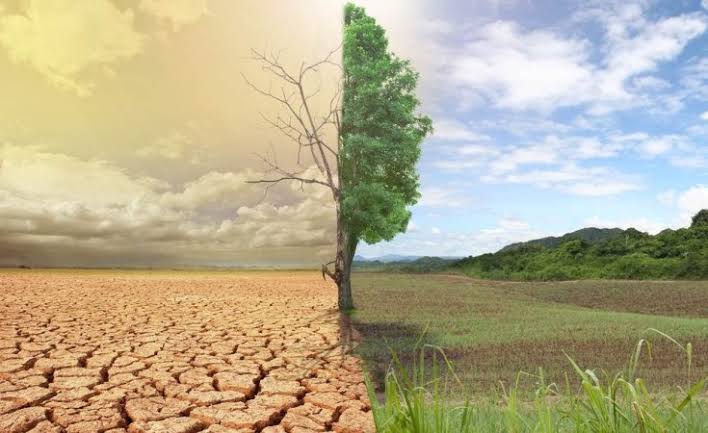
After every heavy rainfall in Mpape, a familiar story unfolds. Roads become difficult to navigate, drainage channels overflow with waste, erosion cuts through vulnerable areas, and many residents worry about the safety of their homes and businesses. For some, it means losing a day’s income. For others, it means repairing damaged property or finding alternative routes to work and school.
To many people, these are simply seasonal inconveniences. In reality, they are symptoms of a much larger challenge.
Climate change is no longer a distant global issue discussed only at international conferences or experienced in countries far from Nigeria. It is increasingly shaping the daily realities of communities across the country, influencing livelihoods, food security, public health, migration, economic opportunities and, increasingly, peace and security.
This is why climate change deserves the attention of everyone, not just environmentalists.
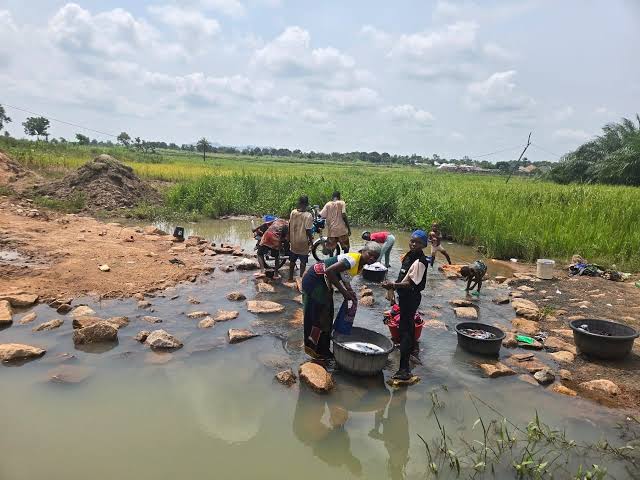
For decades, climate change has largely been framed as an environmental issue characterised by rising temperatures, changing rainfall patterns, floods, droughts and other extreme weather events. While these impacts remain significant, global research increasingly shows that climate change affects much more than the natural environment.
The Intergovernmental Panel on Climate Change (IPCC), the world’s leading authority on climate science, notes that climate change is affecting human security by reducing agricultural productivity, increasing water scarcity, damaging infrastructure, disrupting livelihoods and forcing communities to adapt to changing environmental conditions (IPCC, 2022).
These pressures do not automatically result in conflict.
Instead, they interact with existing challenges such as poverty, unemployment, inequality, weak governance and limited access to public services. When these pressures combine, communities become more vulnerable to instability.
For this reason, many researchers describe climate change as a “risk multiplier.” Rather than directly causing violence, it intensifies existing social, economic and political challenges, making conflicts more likely where vulnerabilities already exist.
Understanding this connection is at the heart of what is now known as the Climate, Peace and Security (CPS) agenda.
The concept of Climate, Peace and Security recognises that environmental challenges cannot be separated from human wellbeing.
When prolonged drought affects farming communities, food production declines and household incomes suffer.
When flooding destroys homes and businesses, families may be displaced, and children may miss school.
When access to water becomes limited, competition over scarce resources can increase.
When young people lose their livelihoods due to environmental degradation, economic frustrations often deepen.
None of these situations automatically lead to violence. However, together they increase pressure on communities and reduce their ability to cope with future shocks.
This understanding has influenced international peacebuilding efforts over the past decade. Organisations such as the United Nations, the African Union and the Global Partnership for the Prevention of Armed Conflict (GPPAC) increasingly recognise that strengthening peace requires strengthening climate resilience as well.
Peacebuilding today is no longer only about resolving disputes after they occur. It is also about preventing future crises by helping communities become more resilient to environmental, economic and social pressures.
Nigeria is among the countries most vulnerable to the impacts of climate change.
Although the country contributes relatively little to global greenhouse gas emissions, it experiences some of the world’s most significant climate-related challenges. Rising temperatures, irregular rainfall, desertification, flooding, coastal erosion and biodiversity loss continue to affect millions of Nigerians.
According to the Nigerian Meteorological Agency (NiMet), climate variability has become increasingly pronounced, influencing agriculture, water resources, infrastructure, health and economic productivity across the country (NiMet, 2025).
Flooding remains one of Nigeria’s most devastating natural hazards. Recent years have seen severe floods destroy homes, schools, healthcare facilities, roads and farmlands across multiple states, displacing large numbers of people and placing additional pressure on already stretched public resources.
In northern Nigeria, advancing desertification and declining agricultural productivity continue to reduce the availability of grazing land and farmland. While climate change alone does not explain farmer-herder conflicts or other security challenges, environmental stress has become an important factor influencing resource competition and community resilience.
These realities demonstrate why climate adaptation cannot be separated from sustainable development or peacebuilding.
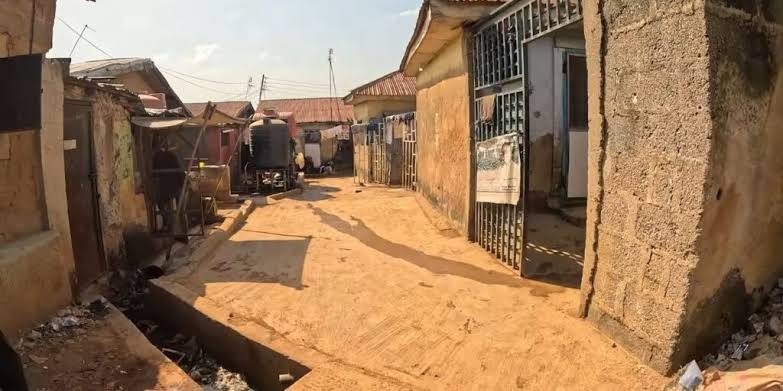
Located within Nigeria’s Federal Capital Territory, Mpape has grown rapidly over the past two decades. Thousands of residents have settled in the community because of its proximity to Abuja and relatively affordable housing. However, rapid urban growth has also created new environmental challenges.
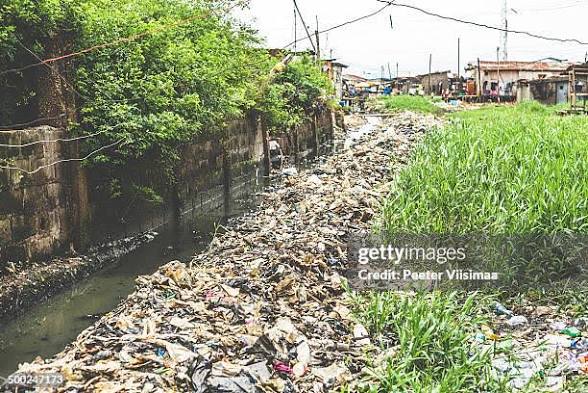
Parts of the community experience poor drainage, inadequate waste management, soil erosion and increasing pressure on infrastructure. During periods of heavy rainfall, blocked drainage channels contribute to flooding in some locations, while unplanned development has increased environmental vulnerability in others.
These challenges are not unique to Mpape.
Across Nigeria, many fast-growing urban communities face similar realities as population growth continues to outpace investment in infrastructure and environmental management.
Mpape therefore represents something much bigger than a single community. It reflects the opportunities and challenges facing many urban settlements across the country.
As climate risks continue to increase, communities like Mpape will require more than improved infrastructure alone. They will also need informed citizens, stronger local leadership, active youth participation and collaborative approaches that strengthen resilience before environmental pressures evolve into wider social and economic challenges.
The question is no longer whether climate change affects communities like Mpape.
The more important question is whether communities are prepared to respond before today’s environmental challenges become tomorrow’s security challenges.
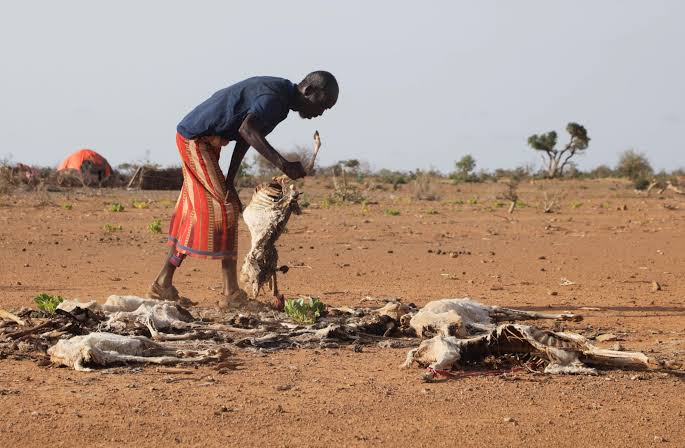
While climate change is a global challenge, its solutions often begin at the community level. Every resident, institution and stakeholder has a role to play in reducing environmental risks and strengthening resilience.
Simple actions such as proper waste disposal, protecting drainage systems, planting trees, conserving green spaces and participating in community sanitation exercises may seem small, but collectively they contribute to healthier and safer communities. Equally important is the need to strengthen environmental awareness so that citizens understand how everyday actions affect the environment and, ultimately, community wellbeing.
However, resilience goes beyond physical infrastructure. It is also about strengthening relationships, building trust and creating opportunities for communities to work together in addressing shared challenges.
This is where peacebuilding becomes essential.
Peacebuilding provides practical tools for dialogue, collaboration, problem-solving, and inclusive decision-making. When communities are able to work collectively, they become better prepared to prevent environmental challenges from escalating into humanitarian or social crises.
Climate resilience, therefore, is not only about adapting to changing weather patterns. It is about strengthening people’s capacity to anticipate risks, respond collectively, and recover more effectively.
Nigeria is home to one of the youngest populations in the world. Young people possess the creativity, energy and innovation needed to develop local solutions to environmental challenges. Yet they are also among those most affected by climate-related disruptions, with unemployment, declining livelihoods, and limited economic opportunities.
Women are equally central to climate resilience. Across many communities, they play critical roles in household wellbeing, food security, water management and community development. When environmental conditions deteriorate, women often bear a disproportionate share of the social and economic burden.
For this reason, sustainable climate action cannot succeed without meaningful participation by both young people and women.
Rather than viewing them as beneficiaries of development programmes, they should be recognised as leaders, innovators and partners in building more resilient communities.
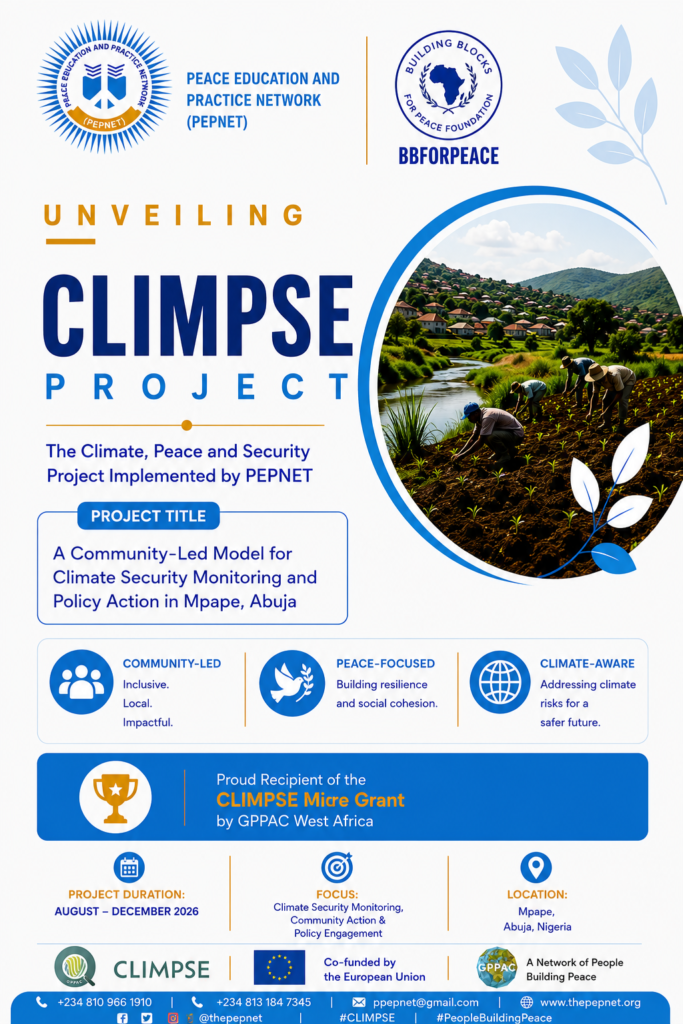
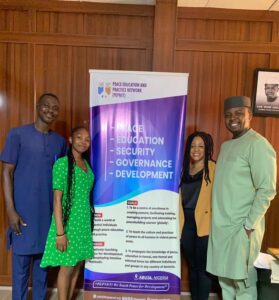
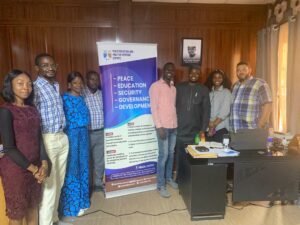
Against this backdrop, the Peace Education and Practice Network (PEPNET) is implementing the Community Peace Circle (CPC) CLIMPSE Project in Mpape, Abuja.
Supported through the Climate, Peace and Security (CLIMPSE) Initiative of the Global Partnership for the Prevention of Armed Conflict (GPPAC) West Africa, the project seeks to strengthen community resilience by empowering young people and women with the knowledge, skills and platforms needed to respond to climate-related challenges through peaceful and collaborative action.
The project is built on a simple but powerful belief: sustainable peace begins with informed and engaged communities.
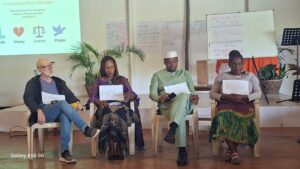
Through community dialogues, public awareness campaigns, environmental action, stakeholder engagement and capacity building activities, the project aims to help residents better understand the relationship between climate change, environmental stewardship and peaceful coexistence.
It will also encourage stronger collaboration between community members, traditional leaders, youth groups, women’s associations, civil society organisations and relevant government institutions in identifying practical and locally driven solutions to shared environmental challenges.
Beyond awareness raising, the CPC CLIMPSE Project seeks to inspire a new generation of Climate Peace Circle Champions who will continue promoting environmental responsibility, community resilience and peaceful coexistence long after the project has concluded.
Although the project is being implemented in Mpape, its relevance extends far beyond one community.
Across Nigeria, thousands of communities are experiencing similar challenges associated with rapid urbanisation, environmental degradation, flooding, erosion and increasing pressure on public infrastructure.
The lessons learned from Mpape can therefore contribute to broader conversations about how local communities can strengthen resilience while supporting Nigeria’s climate adaptation, sustainable development and peacebuilding efforts.
By documenting community experiences, encouraging local participation and promoting evidence-based solutions, initiatives such as the CPC CLIMPSE Project can help inform future policies and inspire similar actions across the country.
Climate change is one of the defining challenges of our generation, but it is also an opportunity to rethink how communities prepare for the future.
Building resilient communities requires collaboration between governments, development partners, civil society organisations, the private sector, traditional institutions and citizens themselves. Every stakeholder has a role to play in protecting the environment, strengthening social cohesion and promoting sustainable development.
The future of communities like Mpape will not be determined solely by the severity of climate impacts, but by how effectively people come together to prepare, adapt and respond.
At PEPNET, we believe that climate action and peacebuilding are inseparable. By investing in people, promoting environmental responsibility and strengthening community resilience, we can build communities that are not only safer from climate-related risks but also more peaceful, inclusive and sustainable.
As the CPC CLIMPSE Project begins, we invite residents, community leaders, young people, women, government institutions, development partners, and all stakeholders to join this journey.
Together, we can demonstrate that climate resilience is not only about protecting the environment. It is about protecting lives, strengthening communities and securing a more peaceful future for Mpape, Abuja and Nigeria.
This article is part of PEPNET’s public awareness series on Climate, Peace and Security (CPS), published ahead of the implementation of the Community Peace Circle (CPC) CLIMPSE Project in Mpape, Abuja. The series aims to promote public understanding of the connections between climate change, community resilience and sustainable peace.
Moses ABOLADE is a Peacebuilding Consultant and Executive Director of the Peace Education and Practice Network (PEPNET), one of Africa’s leading organisations advancing peace education and conflict transformation. He also serves as a Peacebuilding Consultant with Peace Catalyst International (USA) and the World Citizen Peace Ambassador Centre (USA). With nearly a decade of experience, he has delivered over 100 training and speaking engagements, developed the Peace Education for Secondary Schools (PESS) Manual and other learning resources, and leads initiatives that strengthen institutions, develop leaders and expand the impact of peacebuilding across Africa.
Jonathan Aliyu SABA is the Programme Manager at the Peace Education and Practice Network (PEPNET), where he oversees the design and implementation of programmes that promote peacebuilding, climate resilience and sustainable community development. He has experience in programme management, stakeholder engagement and community mobilisation, working with government, civil society and local communities to deliver practical, community-led solutions that strengthen resilience, social cohesion and sustainable development in Nigeria.