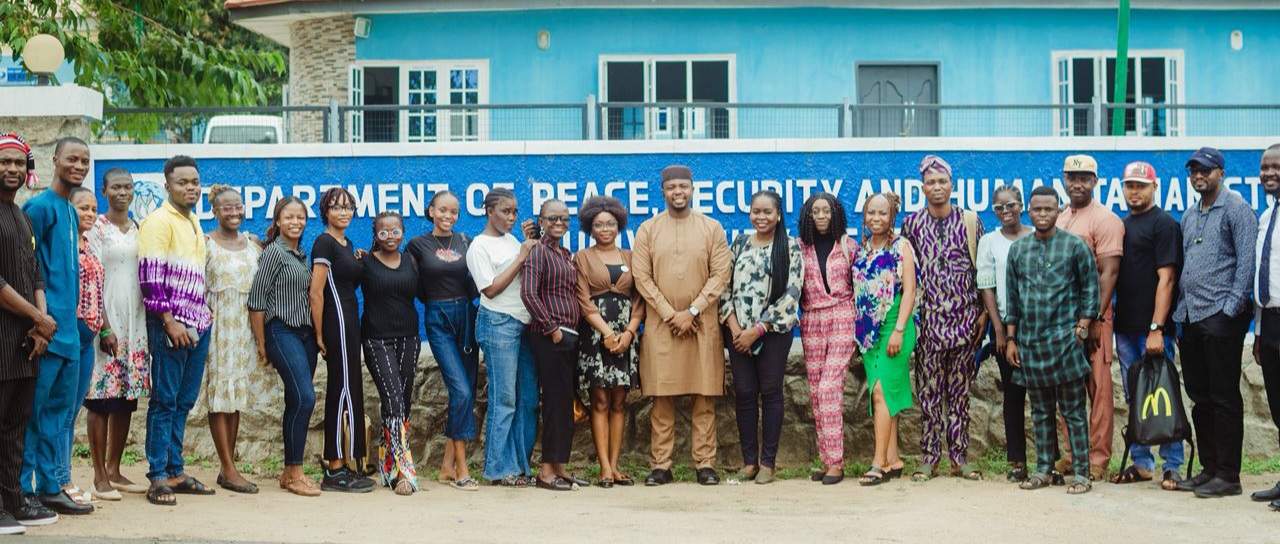
The Peace Leadership and Development Platform is PEPNET’s leadership development hub, dedicated to nurturing ethical, visionary, and impact driven leaders who are committed to advancing peace, good governance, and sustainable development. Through leadership training, fellowships, mentorship, and volunteer engagement, the platform equips individuals with the knowledge, skills, and networks to drive positive change within their communities, institutions, and beyond
Programme
The PEMAT Leaders Programme is PEPNET’s flagship leadership development initiative, designed to equip emerging and established leaders with practical competencies in peacebuilding, leadership, conflict transformation, project management, civic engagement, and sustainable development through training, dialogue, and experiential learning.
PEPNET implements programmes that advance the African Union Youth, Peace and Security Agenda by strengthening the meaningful participation of young people in peacebuilding, conflict prevention, governance, and community resilience through capacity building, advocacy, and strategic partnerships.
PEPNET’s Fellowship and Mentorship Initiatives are designed to support emerging peacebuilders, educators, researchers, and development practitioners through structured learning, professional mentorship, leadership development, collaborative projects, and networking opportunities. These initiatives foster knowledge exchange, innovation, and a growing community of leaders committed to building peaceful and inclusive societies.
PEPCON Africa 2026 will take place in November 2026 and is expected to convene participants from across Africa and beyond to explore innovative and locally-driven solutions to contemporary peace and development challenges.
To become Africa’s leading conference on peace education, peacebuilding practice, leadership development, and policy engagement.
PEPNET’s Volunteer Development Programme provides structured opportunities for volunteers to learn, serve, and lead through meaningful participation in the organisation’s programmes and initiatives. The programme enables volunteers to develop practical skills, leadership experience, and a lifelong commitment to peacebuilding and community development.
Through the Peace Leadership and Development Platform, PEPNET is investing in a new generation of leaders and changemakers equipped to advance sustainable peace and development across Nigeria, Africa, and beyond.
Peace education has the power to transform individuals, strengthen communities, and create lasting social change. At PEPNET, we are committed to building practical peace education systems that equip people with the knowledge, skills, and values needed to prevent conflict and promote social cohesion.
Whether you are an educator, institution, development partner, volunteer, donor, or community leader, there is a place for you in this movement.
Together, we can build stronger communities and a more peaceful society through education, dialogue, and collaboration
Fill the form below to become a partner