By Moses ABOLADE
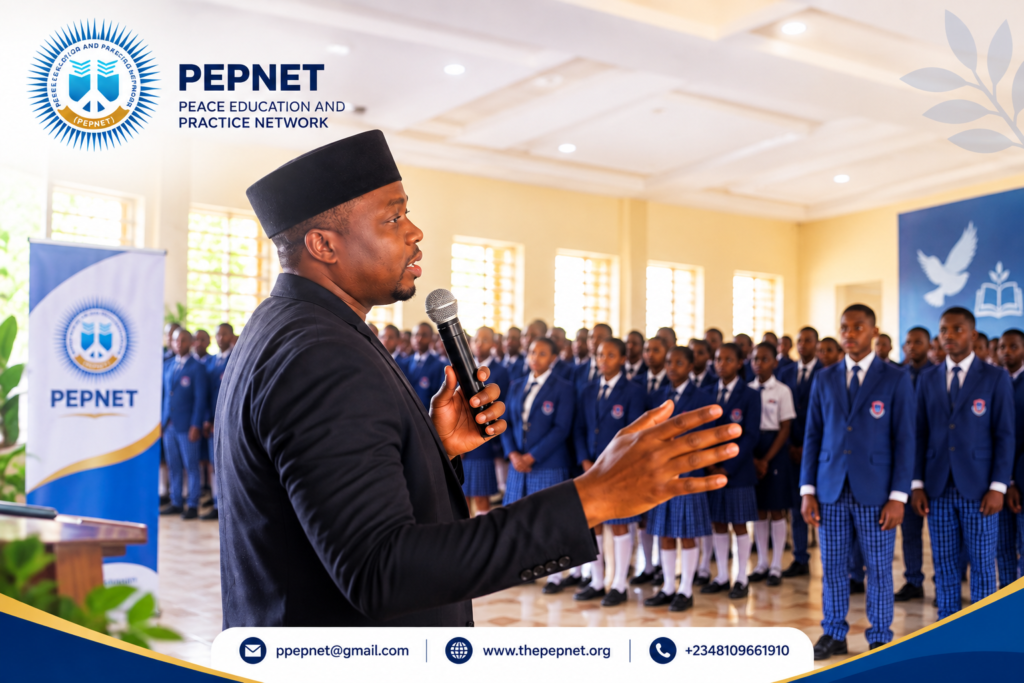
A new school year is beginning in many parts of the world.
Students are returning to classrooms.
Some are excited to see old friends. Some are preparing to meet new classmates. Some are entering a new school for the first time. Others are returning with memories, experiences and perhaps even unresolved conflicts from the previous school year.
There will be new books, new subjects, new teachers and new expectations.
But as students return to school, there is something equally important that we must remember:
School is not only a place where we learn subjects. It is also a place where we learn how to live with other human beings.
Every day, students share classrooms, playgrounds, hostels, corridors and increasingly digital spaces with people who may think, speak, behave and see the world differently.
There will be friendships.
There will be disagreements.
There will be misunderstandings.
Sometimes, there will be hurt.
The question is not whether conflict will ever happen.
The question is:
That is where peace education becomes more than a lesson.
It becomes a way of life.
When students return to school, they are not simply returning to academic work.
They are returning to relationships.
Relationships with classmates.
Relationships with teachers.
Relationships with friends.
Relationships with people they may not particularly like.
And sometimes, relationships with people with whom they have had disagreements or unresolved conflicts.
This is one of the most important lessons education can offer.
Success is not only about what we know.
It is also about how we relate to people.
A student may be brilliant in mathematics and still struggle to manage anger.
Someone may perform excellently in science but not know how to apologise.
Another student may have excellent grades but struggle to respect people who hold different opinions.
Yet these are also important life skills.
The world doesn’t just need educated people.
It needs people who can live, work, disagree and solve problems with others without destroying one another.
That is why peace education matters.
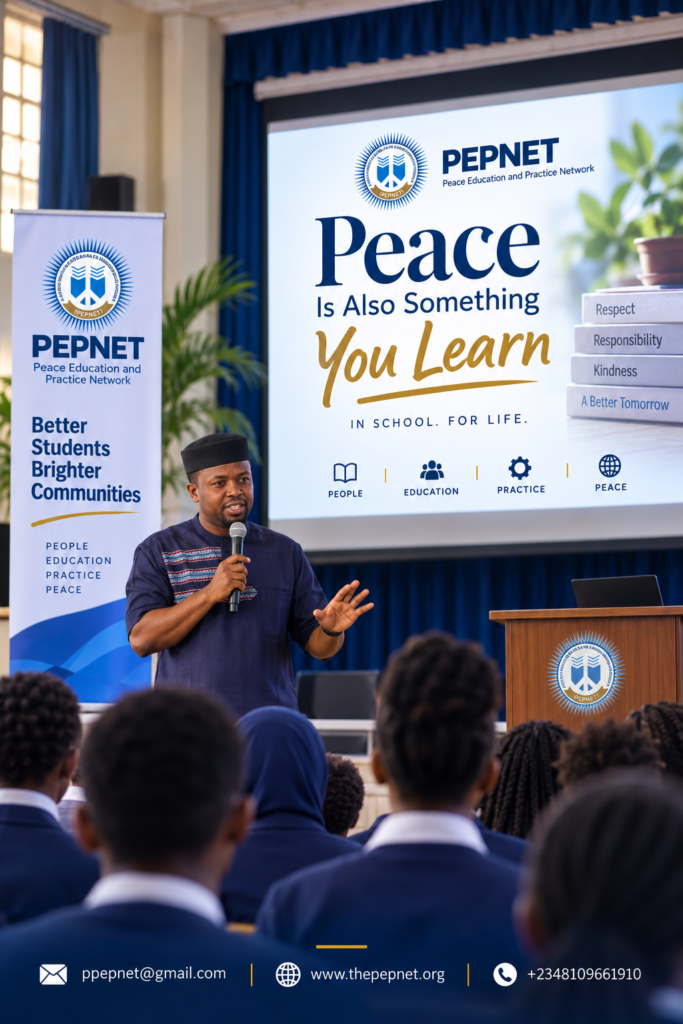
We learn mathematics.
We learn science.
We learn languages.
We learn history.
But we must also learn:
How to listen.
How to disagree.
How to manage anger.
How to respect differences.
How to take responsibility.
How to apologise.
How to repair harm.
These are not minor skills.
They are among the skills that shape families, workplaces, communities and societies.
Peace education helps us understand how to prevent harm and build healthy relationships.
But life teaches us another reality:
Despite our best efforts, conflict will sometimes happen.
People will make mistakes.
Someone will say something hurtful.
A friendship may break down.
A disagreement may become an argument.
Someone may feel excluded.
Someone may cause harm.
So, what do we do then?
This is where peace education meets restorative thinking.
Peace education teaches us how to live together before harm occurs. Restorative practice helps us learn how to respond after harm occurs.
A peaceful society needs both.
We need to know how to prevent harm.
But we must also know how to respond wisely when harm has already happened.
Imagine two students have a serious argument.
One insults the other.
Angry words are exchanged.
Other students gather around.
The situation becomes worse.
A common response might immediately ask:
Who started it?
Who broke the rule?
Who should be punished?
These questions may be necessary.
Rules matter. Safety matters. Accountability matters.
But they may not be enough.
What if we also asked:
These questions do not remove accountability.
They make accountability more meaningful.
Because being responsible is more than simply receiving a punishment.
It also means understanding:
What did I do?
How did my actions affect others?
What responsibility do I have now?
What can I do to make things better?
That is an important life lesson.
And it is one that every student can begin learning.
Let us be clear.
Some situations require consequences.
There are situations where people must be protected.
There are situations where boundaries are essential.
And there are serious forms of harm that require formal action and appropriate justice.
A restorative approach does not mean ignoring wrongdoing.
It does not mean forcing people to forgive.
It does not mean asking someone who has been harmed to reconcile with a person when it is unsafe or inappropriate.
But it does challenge us to think beyond one question:
“How do we punish the person?”
It asks us to also consider:
“How do we address the harm?”
A student may be punished while the person they hurt remains afraid.
Someone may apologise while refusing to change their behaviour.
A conflict may become quiet while resentment continues underneath.
An incident may end without trust being restored.
That is why peaceful communities must learn the difference between ending a conflict and addressing what the conflict has damaged.
Sometimes peace requires consequences.
But lasting peace also requires responsibility, learning and, wherever possible, repair.
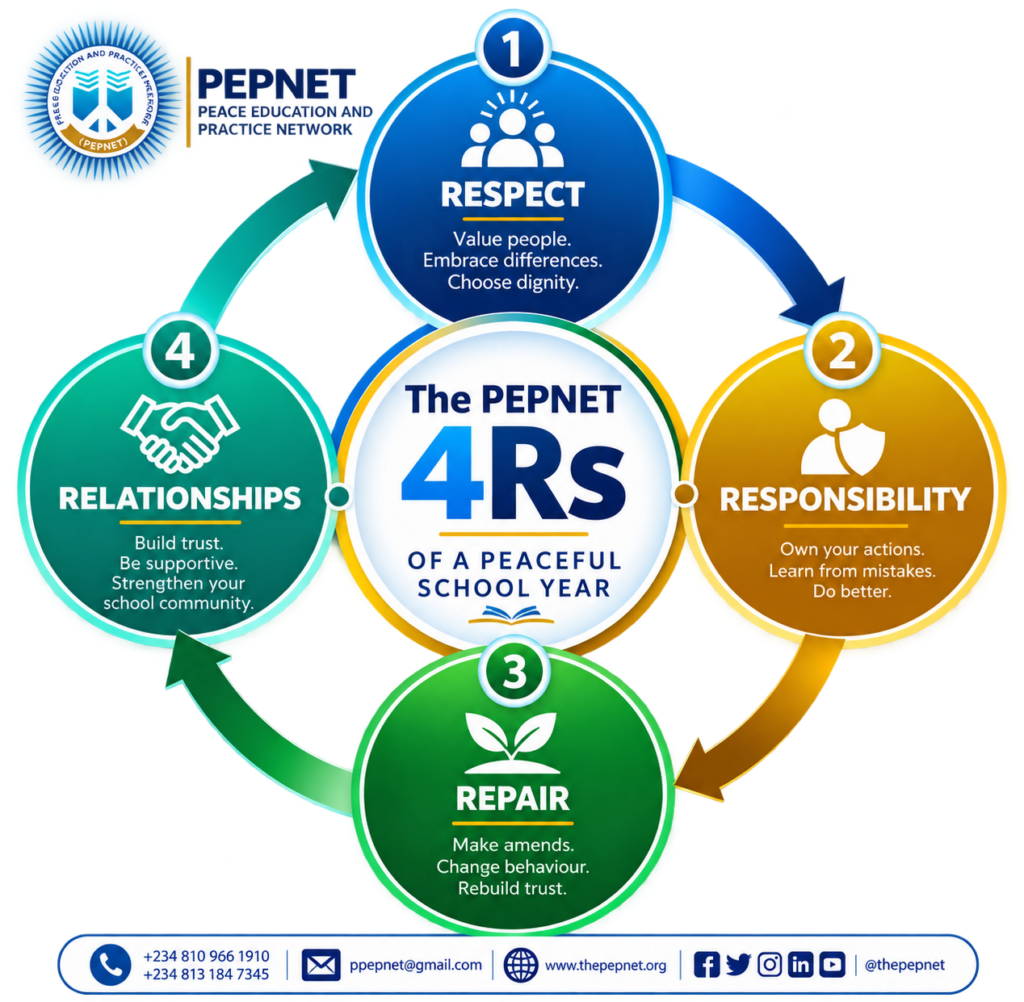
As students return to school, PEPNET invites every learner to carry four important values into the new academic year.
Respect people even when you disagree with them.
Someone can have a different opinion without becoming your enemy.
Someone can make a mistake without losing their humanity.
Someone can be different from you and still deserve dignity.
Respect does not mean agreeing with everything.
It means remembering that disagreement does not permit us to disrespect people.
Take responsibility for your actions.
When you make a mistake, do not immediately look for someone else to blame.
Learn to say:
“I was wrong.”
“I understand that my actions caused harm.”
“I will do better.”
These are not signs of weakness.
They are signs of maturity and courage.
A peaceful person is not someone who never makes mistakes.
A peaceful person is someone who learns how to take responsibility when they do.
When you cause harm, do not simply run away from the consequences.
Ask:
What can I do to make things better?
Sometimes repair begins with an honest apology.
Sometimes it requires changed behaviour.
Sometimes trust takes time to rebuild.
But one thing is important:
Saying sorry means more when our actions also begin to change.
Repair is not always easy.
But it is an important part of learning how to live peacefully with others.
Protect relationships.
Your school experience will not only be shaped by your grades.
It will also be shaped by the people around you.
Your friends.
Your classmates.
Your teachers.
Your school community.
You may not agree with everyone.
You may not become friends with everyone.
But you can choose to treat people with dignity.
Do not destroy an important relationship simply because you wanted to win an argument.
Sometimes being right is not more important than being respectful.
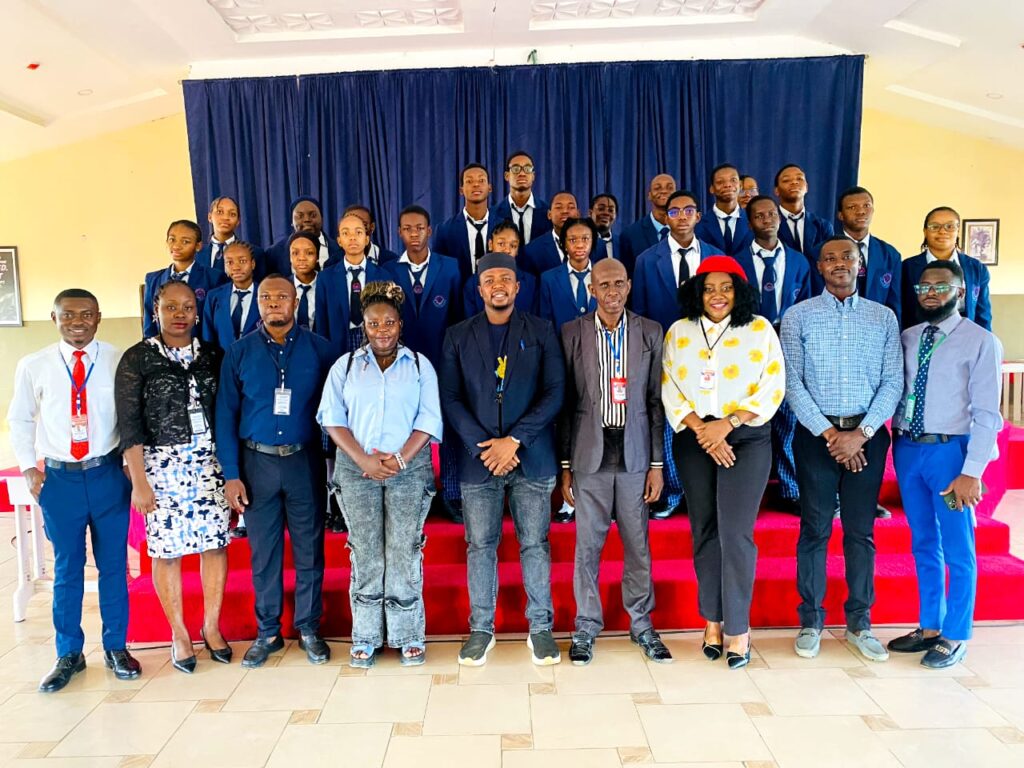
A peaceful school is built one relationship at a time.
Perhaps last year was difficult.
Perhaps you argued with someone.
Perhaps you lost a friendship.
Perhaps someone hurt you.
Perhaps you hurt someone.
Perhaps you made a mistake that you regret.
Perhaps you were excluded.
Perhaps you excluded someone else.
A new school year does not automatically erase the past.
But it can create an opportunity to make a different choice.
You can change.
You can apologise.
You can choose not to repeat harmful behaviour.
You can welcome someone who feels alone.
You can decide to respond differently.
You can begin rebuilding trust.
And where it is safe and appropriate, you can take steps towards repairing what has been damaged.
Every new school year is an opportunity not only to learn something new, but also to become someone better.
Today’s students live in two connected worlds.
The physical world.
And the digital world.
A disagreement at school can continue on WhatsApp.
An argument can become a screenshot.
A joke can become online humiliation.
A conflict involving two students can suddenly involve hundreds of people.
This makes peace education even more important.
Before posting something in anger, pause.
Before sharing someone’s embarrassing picture, think.
Before joining others to insult someone online, remember that a human is behind the screen.
And before reacting to every disagreement, ask yourself:
Will my response make this situation better or worse?
Digital spaces need peacebuilders too.
The same respect we expect in classrooms should guide us online.
As you return to school, PEPNET invites you to make these commitments:
We can disagree without becoming enemies.
Not every situation requires an immediate emotional response.
Saying “I was wrong” is not weakness.
I will not only apologise. I will work to change.
This is perhaps the most important commitment of all.
My school should become more peaceful because I am part of it.
Imagine what would happen if millions of students around the world made that commitment.
Imagine classrooms where students chose dialogue over violence.
Imagine schools where making a mistake became an opportunity to learn responsibility.
Imagine young people who understood that strength does not mean humiliating others.
Imagine digital spaces where people paused before attacking.
Imagine schools where students were not only preparing for examinations.
They were preparing to become responsible human beings.
That is the kind of education our world needs.
Your grades matter.
Your education matters.
Your dreams matter.
Your future matters.
Work hard.
Study well.
Ask questions.
Be curious.
Dream boldly.
But as you pursue success, remember something equally important:
The kind of person you become also matters.
Learn how to listen.
Learn how to disagree.
Learn how to apologise.
Learn how to take responsibility.
Learn how to repair harm.
Learn how to respect people.
Learn how to build relationships.
Because one day, you may forget some of the things you memorised in school.
But the way you learn to treat other human beings may shape your entire life.
As you return to school this September, PEPNET has a simple message for you:
Do not only return ready to pass your examinations.
Return ready to become a better human being.
Do not only ask:
What will I learn this year?
Also ask:
Who will I become this year?
Will I make my classroom more peaceful?
Will I include someone who feels alone?
Will I respond differently when I am angry?
Will I take responsibility when I make mistakes?
Will I help repair conflict instead of making it worse?
Will my school become better because I am part of it?
The future needs doctors.
It needs engineers.
It needs teachers.
It needs scientists.
It needs entrepreneurs.
It needs leaders.
But every profession also needs people who know how to live peacefully with others.
So, dear students:
Go back to school.
Learn.
Grow.
Dream.
Achieve.
But also:
Because peace is not only something we hope for.
It is something we practise.
And sometimes, the most important peacebuilders in our world are not standing on international stages.
They are sitting quietly in classrooms, making everyday choices about how to treat other people.
As you return to school this September, PEPNET encourages you to remember that peace is not only something we talk about. It is something we learn, practise and live every day.
Go back to school ready to succeed.
But go back even more ready to build peace.
Let your school become more peaceful because you are part of it.
If this message speaks to you, then the journey does not have to end here.
Whether you are a student, teacher, parent, school leader or peacebuilder, PEPNET has developed practical resources to help individuals and learning communities build the knowledge, values and skills needed to become more peaceful and contribute positively to the world around them.
📘 Peace Education for Secondary Schools (PESS) Manual
A practical resource designed to support the teaching and learning of peace education and help young people develop essential skills for peaceful living, responsible citizenship and positive relationships.
📕 PESS Handbook
A valuable companion resource for learners and educators seeking practical guidance, reflection and activities that make peace education meaningful and applicable to everyday life.
📚 PETMANUAL and Other PEPNET Peace Resources
Explore additional PEPNET publications and learning materials developed to support peace education, conflict transformation, leadership and the practical promotion of peace.
The world does not become more peaceful simply because we wish for peace. It becomes more peaceful when more people learn how to practise it.
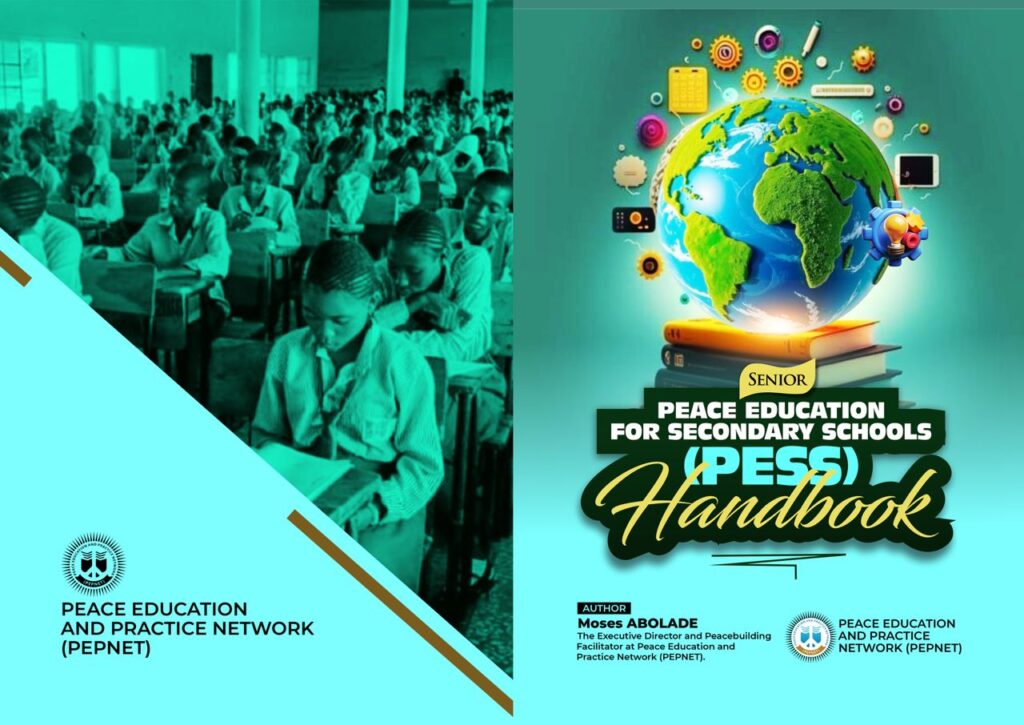
Learn. Reflect. Practise. Build Peace.
👉 Explore and get the PESS Manual, PESS Handbook, PETMANUAL, PEACETOL and other PEPNET publications here:
And your journey can begin today.