22 August 2026 | Mpape, Abuja
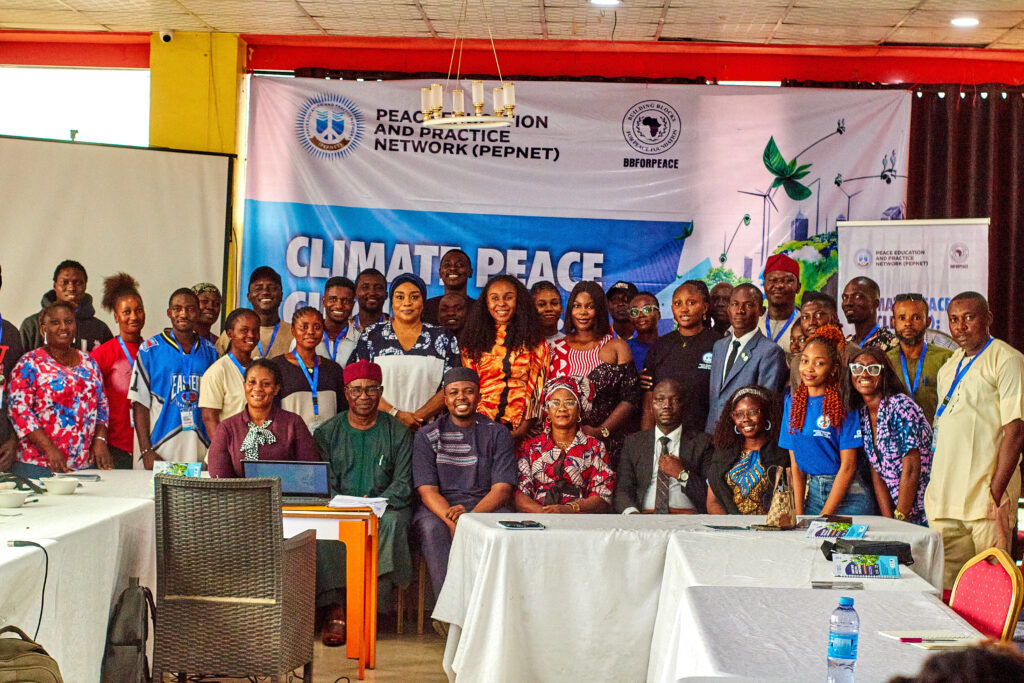
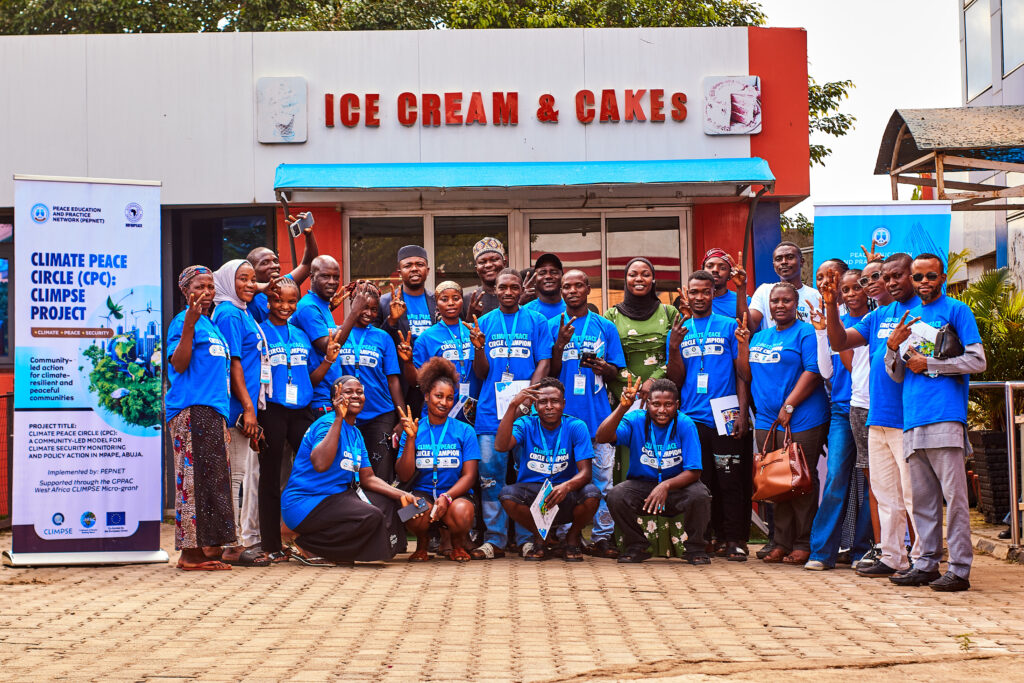
The Peace Education and Practice Network (PEPNET) has successfully concluded a two-day Climate Peace Circle (CPC) Training in Mpape, Abuja, bringing together community members, youth and women, community leaders, government representatives, researchers, peacebuilding practitioners, media professionals and other stakeholders to strengthen understanding and action around the connections between climate, peace and security.
Held on 21 and 22 August 2026 under the CPC CLIMPSE Project, the training was organised around the theme:
“A Community-Led Model for Climate Security Monitoring and Policy Action in Mpape, Abuja.”
The training marked an important milestone in PEPNET’s effort to develop a practical, community-led approach to understanding climate-related security risks, strengthening community resilience and connecting local knowledge with institutional and policy action.
Climate change is often discussed as an environmental challenge. Yet its effects increasingly reach into livelihoods, access to resources, health, infrastructure, social relationships and human security.
For communities experiencing rapid urban growth and environmental pressure, these challenges can become particularly significant.
The CPC CLIMPSE Project was developed around this understanding.
Rather than treating climate change, peacebuilding and security as separate issues, the project creates a space where communities can explore how environmental pressures interact with existing vulnerabilities and what can be done before these pressures develop into deeper social and security challenges.
For PEPNET, this also means recognising communities as more than beneficiaries.
Communities are knowledge holders, early observers of emerging risks and essential partners in developing locally relevant solutions.
That principle shaped the two-day training in Mpape.
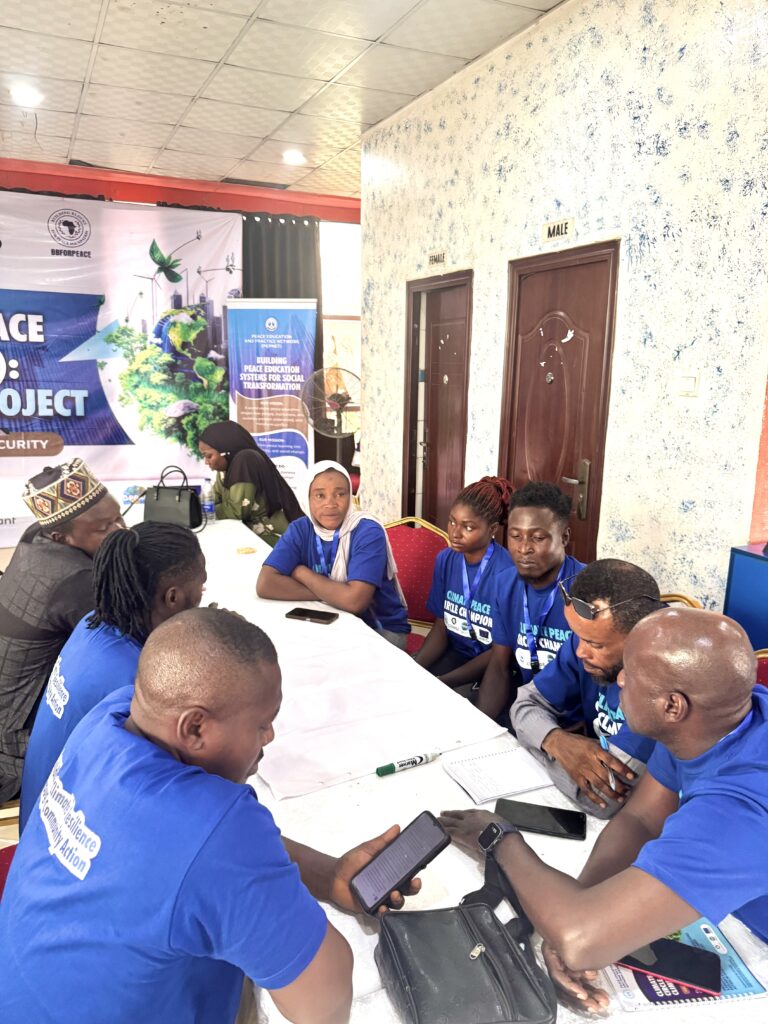
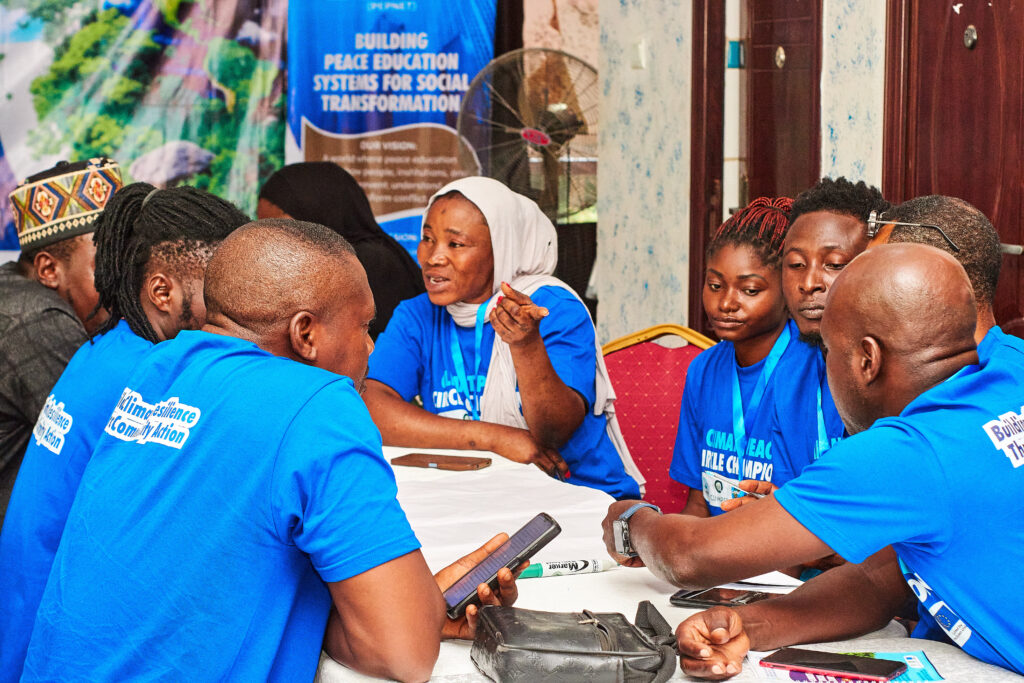
From the opening sessions, participants were encouraged to connect technical knowledge with their lived experiences.
Discussions explored environmental and climate-related challenges affecting communities, including livelihoods, waste, water, flooding, environmental degradation, infrastructure, and community vulnerability.
Participants considered how these challenges can affect everyday life and, where existing vulnerabilities are not addressed, potentially place additional pressure on social cohesion and community security.
The approach was deliberately participatory.
Rather than relying solely on expert presentations, the training created space for participants to ask questions, share experiences, challenge assumptions and contribute their own understanding of the issues affecting their communities.
This helped create an important bridge between local knowledge and wider Climate, Peace and Security thinking.
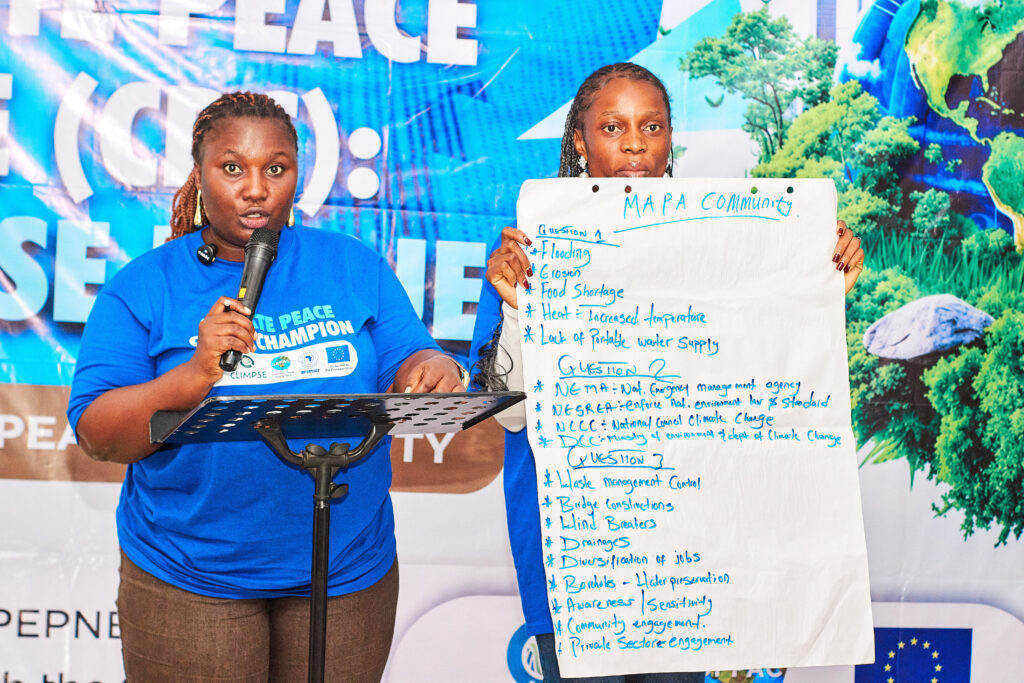
One of the major strengths of the engagement was the participation of representatives from relevant government, research and peacebuilding institutions.
The training brought together representatives from the Federal Ministry of Environment, National Emergency Management Agency (NEMA), Abuja Environmental Protection Board (AEPB), Nigeria Hydrological Services Agency (NIHSA), National Environmental Standards and Regulations Enforcement Agency (NESREA), Nigerian Institute of Social and Economic Research (NISER), Institute for Peace and Conflict Resolution (IPCR) and other stakeholders.
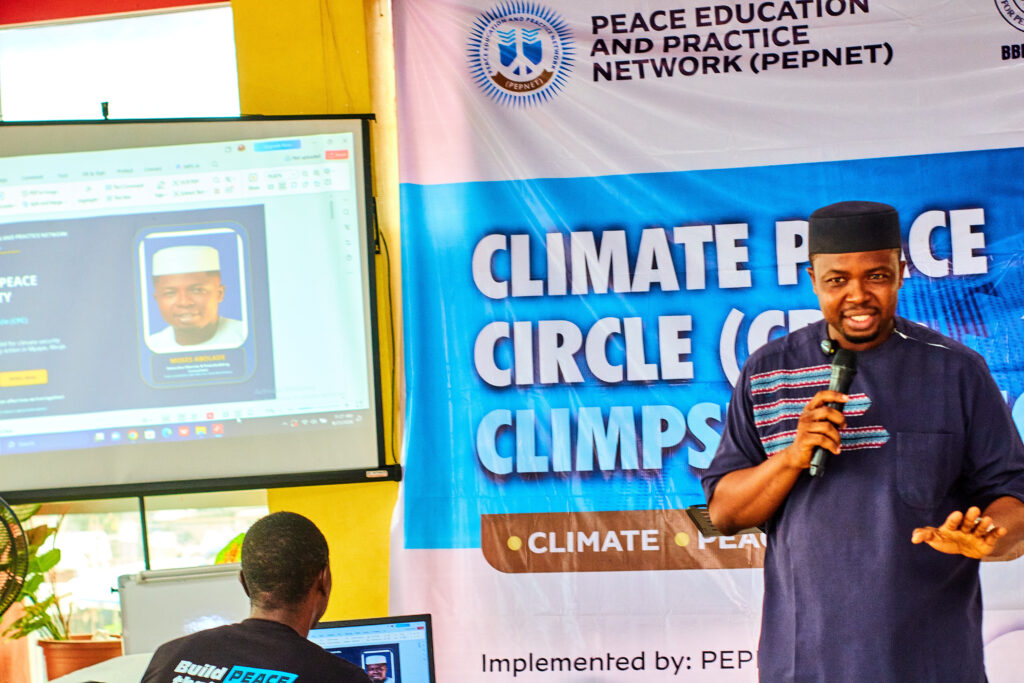
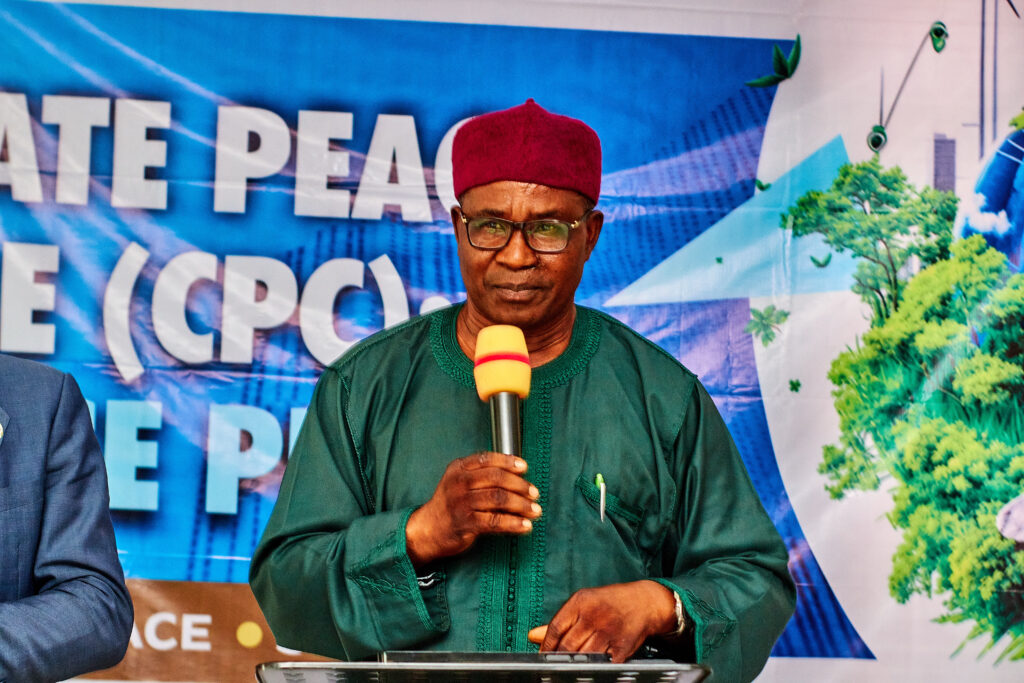
Among the institutional representatives was Jonah D. Barde, Deputy Director, Climate Change Department, Federal Ministry of Environment, who participated in the opening engagement and shared perspectives on the relationship between climate change, environmental vulnerability and human security.
The participation of these institutions provided an important opportunity for community experiences to meet technical and institutional perspectives.
It also demonstrated the importance of collaboration across sectors.
Communities alone cannot address climate-security challenges, just as government institutions cannot address them effectively without understanding what communities are experiencing on the ground.
The CPC therefore seeks to create a space where community knowledge, institutional expertise and practical action can meet.
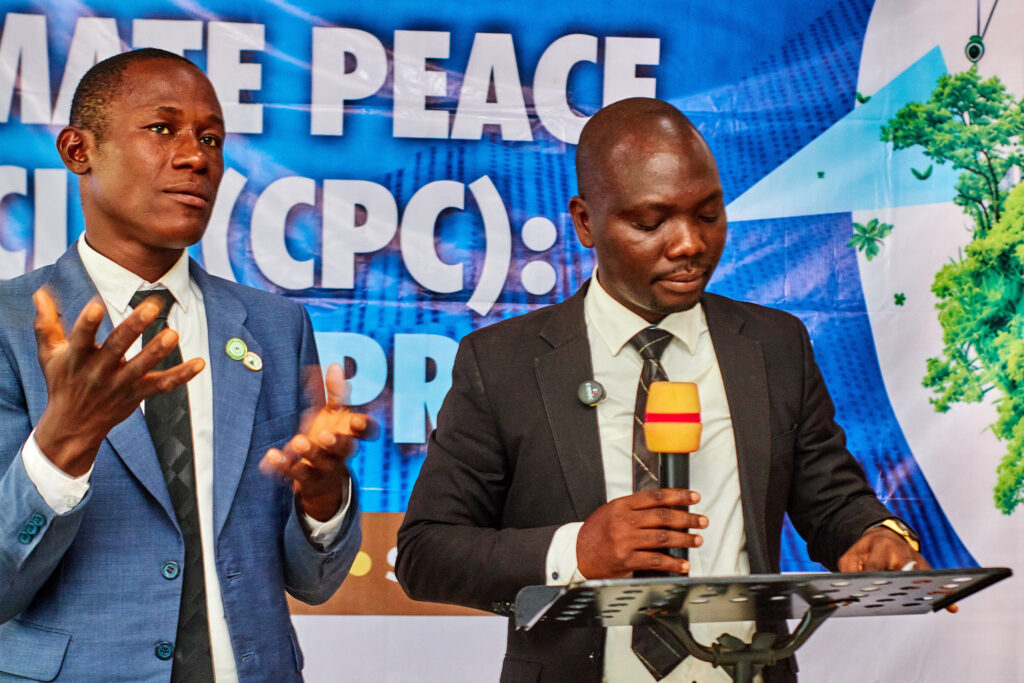
A central lesson from the training was that climate change should not be viewed only through an environmental lens.
When environmental pressures affect livelihoods, they can influence household wellbeing.
When infrastructure is inadequate or damaged, vulnerability increases.
When access to essential resources becomes more difficult, pressure on communities can grow.
When people and institutions are unable to anticipate and respond effectively to these challenges, existing vulnerabilities may become more difficult to manage.
The CPC training encouraged participants to examine these connections carefully, without assuming that climate change automatically causes conflict.
Instead, participants explored how climate and environmental pressures can interact with existing social, economic and institutional vulnerabilities and why strengthening resilience and preventive action matters.
This is at the heart of the Climate, Peace and Security approach.
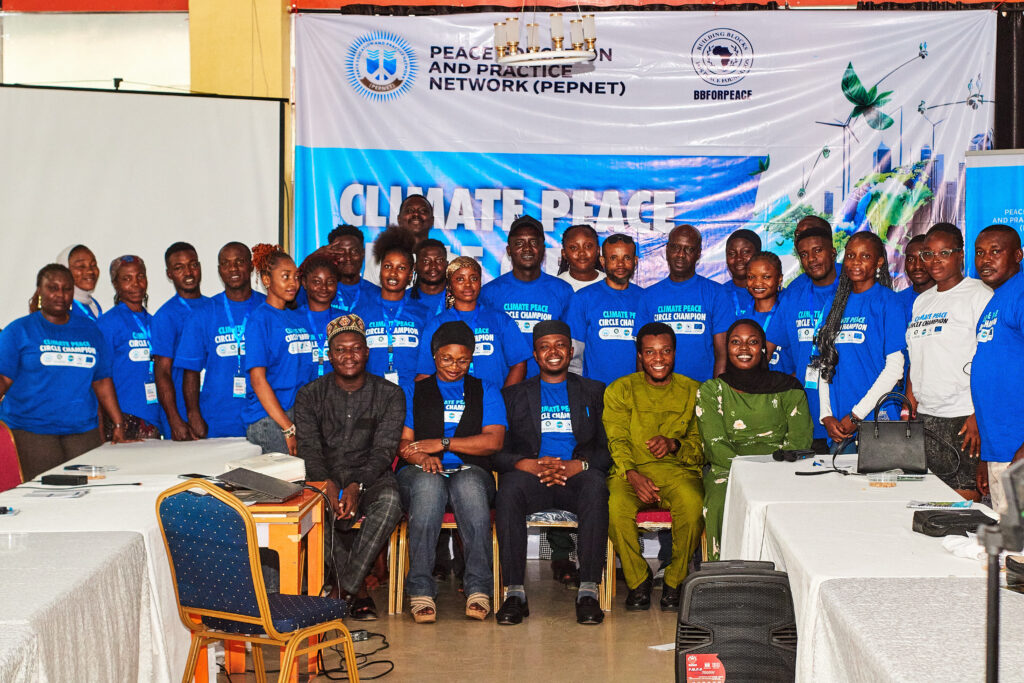
The second day of the training focused on deepening participants’ understanding and applying the knowledge gained.
Participants explored areas including Climate, Peace and Security, climate-sensitive peacebuilding, conflict sensitivity, community resilience, climate-related security risks and community-based monitoring and response.
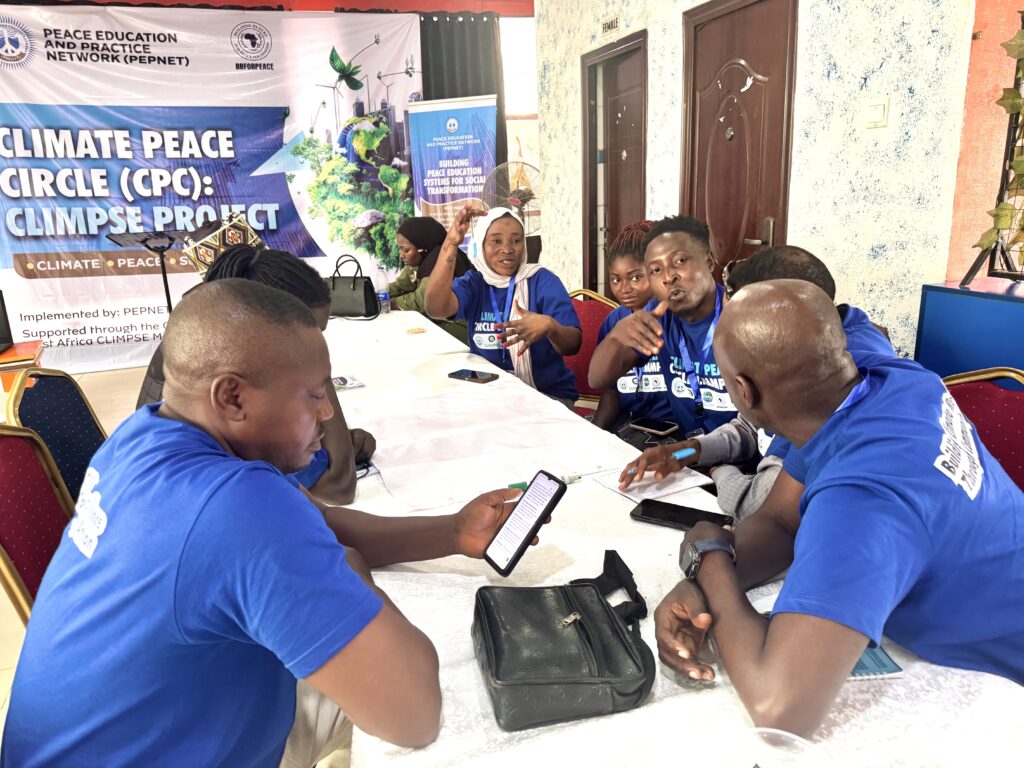
One of the major highlights was the practical group work.
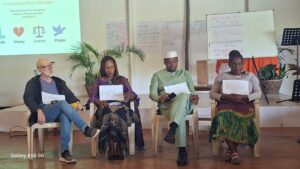
Participants worked together to examine real challenges affecting their communities, identify possible climate-security risks and consider practical responses.
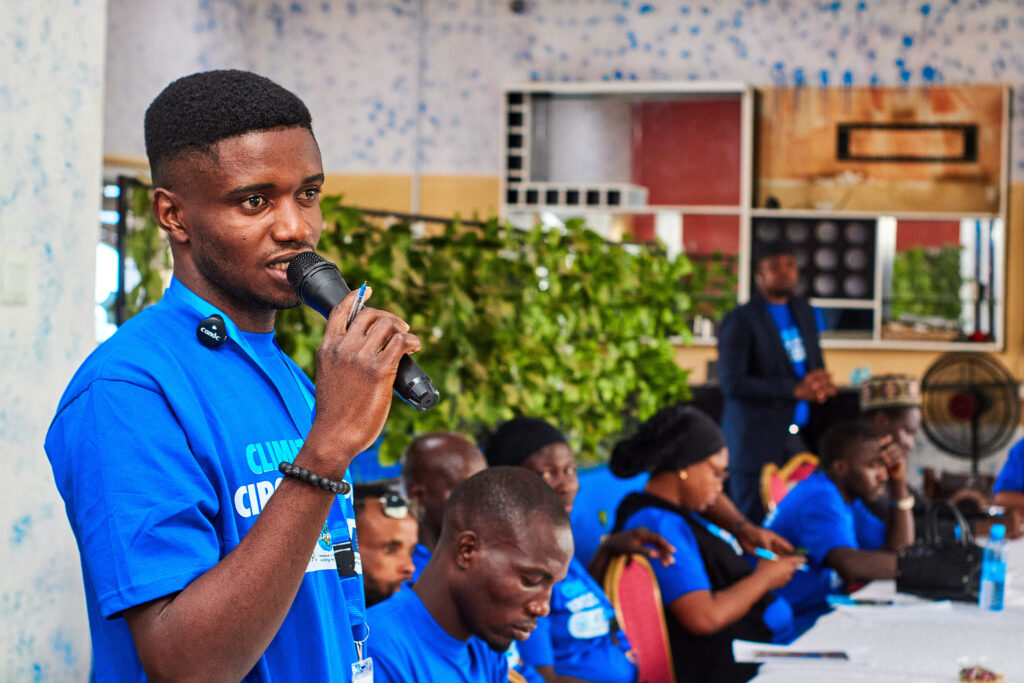
The group presentations provided opportunities for participants to compare perspectives, learn from one another and develop ideas collectively.
This practical approach was important because the CPC CLIMPSE Project is not designed to end with a training certificate.
The ambition is to move from:
Knowledge → Observation → Dialogue → Evidence → Action → Policy Engagement.
The training concluded with a closing session where participants reflected on their experiences, shared key takeaways and considered their responsibilities beyond the training.
Certificates were presented to participants in recognition of their commitment and active participation.

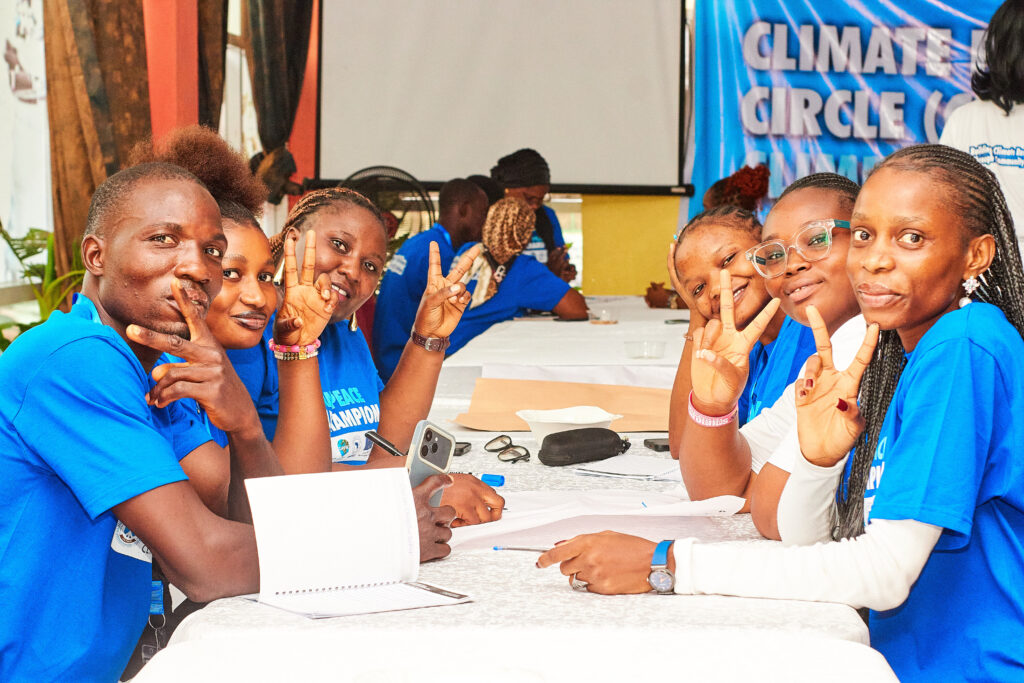
More importantly, participants emerged as Climate Peace Circle Champions.
These Champions will remain connected through future CPC catch-ups and engagements, creating a continuing community of learning and action.
Through these engagements, participants will have opportunities to share observations from their communities, identify emerging concerns, learn from one another and contribute to the monitoring of climate-related security risks.
The aim is to build not just individual capacity, but a community of practice capable of continuing the conversation and contributing to practical responses.
The next phase of the CPC CLIMPSE Project will build on the knowledge and relationships established during the training.
Participants will be supported to engage in community climate-security observation, mapping and risk analysis, helping to identify and better understand emerging risks within their communities.
The evidence generated through these processes will contribute to the development of a Community Climate Security Policy Brief for relevant stakeholders.
This is an important part of the project’s long-term value.
The goal is to ensure that community experiences do not remain only as stories shared during a training session. They should be documented, analysed and transformed into evidence that can contribute to conversations with government, development actors, civil society and other decision-makers.
In this way, the CPC seeks to strengthen the link between community realities and policy action.
Media engagement was another important dimension of the initiative.
Kaftan TV provided on-site coverage of the engagement, helping to document the conversations and bring the Climate, Peace and Security agenda to wider audiences. See here: See KAFTAN TV CPC Report Here
The programme also received post-event reporting from Blueprint Newspapers (See report here), The Guardian and the News Agency of Nigeria (NAN).
These different forms of media engagement helped extend the conversation beyond the training space and amplify the significance of community-led climate-security action in Mpape.
For PEPNET, media is not simply a communication channel.
It is also a tool for peacebuilding, public education, narrative change and accountability.
When community experiences are documented and responsibly amplified, they can reach audiences that may otherwise never encounter them.
The CPC CLIMPSE experience therefore demonstrates the value of connecting community action with strategic media engagement.
Although the CPC CLIMPSE Project is being implemented in Mpape, its relevance extends beyond the community.
Across Nigeria and other parts of Africa, communities are experiencing the combined effects of environmental degradation, climate variability, rapid urbanisation, livelihood pressures and infrastructure gaps.
Many of these communities also have valuable local knowledge about the changes taking place around them.
The experience of the Climate Peace Circle provides an opportunity to explore how this knowledge can be organised into a practical system for community monitoring, dialogue, resilience-building and policy engagement.
If successful, the lessons from Mpape could contribute to wider conversations about community-led approaches to Climate, Peace and Security across Nigeria and beyond.
PEPNET sincerely appreciates the Mpape community, community leaders, youth and women participants, facilitators, volunteers, institutional representatives, media professionals and all stakeholders who contributed to the success of the two-day engagement.
We particularly appreciate the representatives of the Federal Ministry of Environment, NEMA, AEPB, NIHSA, NESREA, NISER, IPCR and other institutions for bringing their expertise and perspectives into this community conversation.
We also appreciate the PEPNET Community, Full Members and volunteers, whose commitment continues to support PEPNET’s community-based peacebuilding work.
Special appreciation goes to Building Blocks for Peace Foundation and GPPAC West Africa for their support towards the CPC CLIMPSE Project and for creating an opportunity to strengthen practical approaches to Climate, Peace and Security.
We are equally grateful to Kaftan TV, Blueprint Newspapers, The Guardian, NAN and other media professionals who helped document and amplify the engagement.
The conclusion of the two-day training is not the conclusion of the Climate Peace Circle.
It is the beginning of a longer process of learning, monitoring, dialogue, evidence generation and action.
The coming engagements will provide opportunities for Climate Peace Circle Champions and other community stakeholders to continue identifying emerging risks, sharing observations, strengthening community resilience and contributing to solutions.
Ultimately, the success of the CPC CLIMPSE Project will not be measured only by the number of people trained.
It will be measured by whether knowledge leads to better community awareness, whether awareness leads to collective action, whether evidence reaches decision-makers, and whether communities become better equipped to anticipate and respond to climate-related risks peacefully.
The experience in Mpape has shown that meaningful Climate, Peace and Security action can begin with something as simple and as powerful as bringing people together to listen, learn and act.
From knowledge to collaboration.
From collaboration to action.
From action to resilience.
The training may be over, but the Climate Peace Circle conversation continues.
The Climate Peace Circle (CPC) CLIMPSE Project is a community-led initiative implemented by PEPNET in Mpape, Abuja, with support through the CLIMPSE Micro Grant of GPPAC West Africa. The project seeks to strengthen community capacity to understand, monitor and respond to climate-related security risks while generating community-driven evidence and recommendations that can contribute to climate, peace and security policy and practice. Learn More Here
#CPCCLIMPSE #ClimatePeaceSecurity #ClimatePeaceCircle #PEPNET #Mpape #Peacebuilding #ClimateAction #CommunityResilience #ClimateSecurity #GPPACWestAfrica #CommunityLedAction